Consumer Pest Control hardware startup (2024–present)
Contents
Looking for a new direction after the studio
XbotPark Camp and companion robots
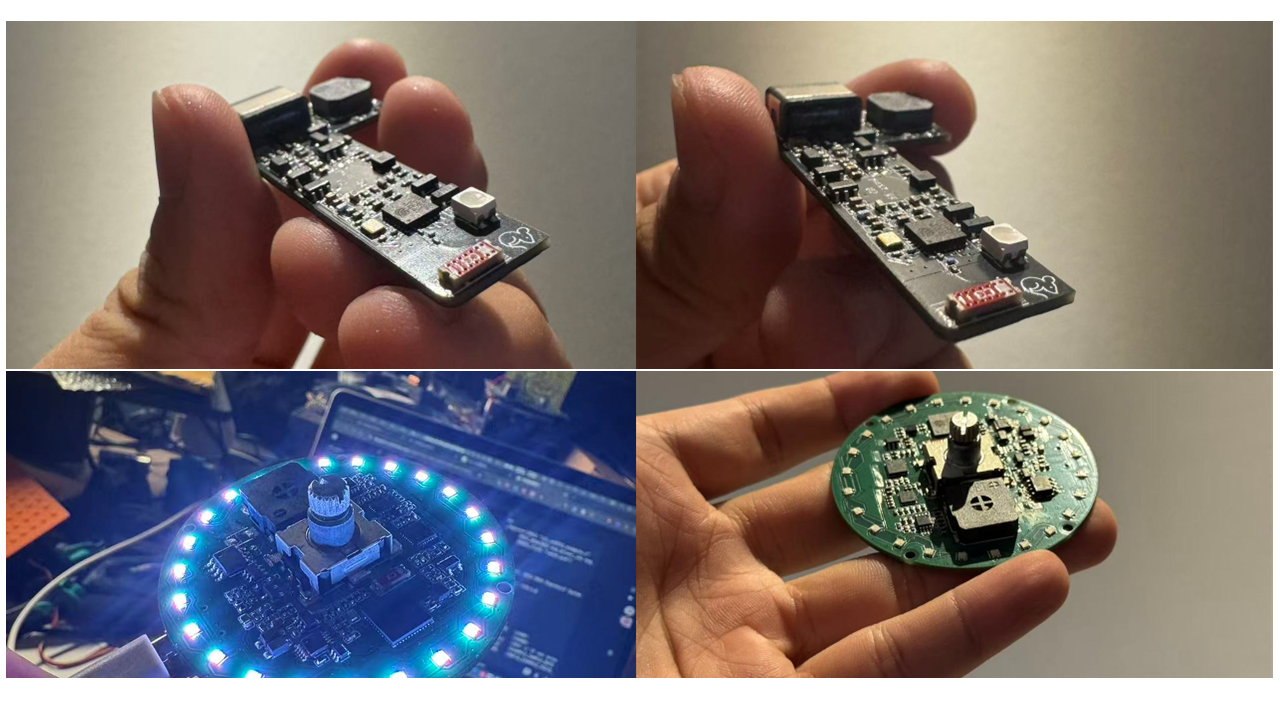
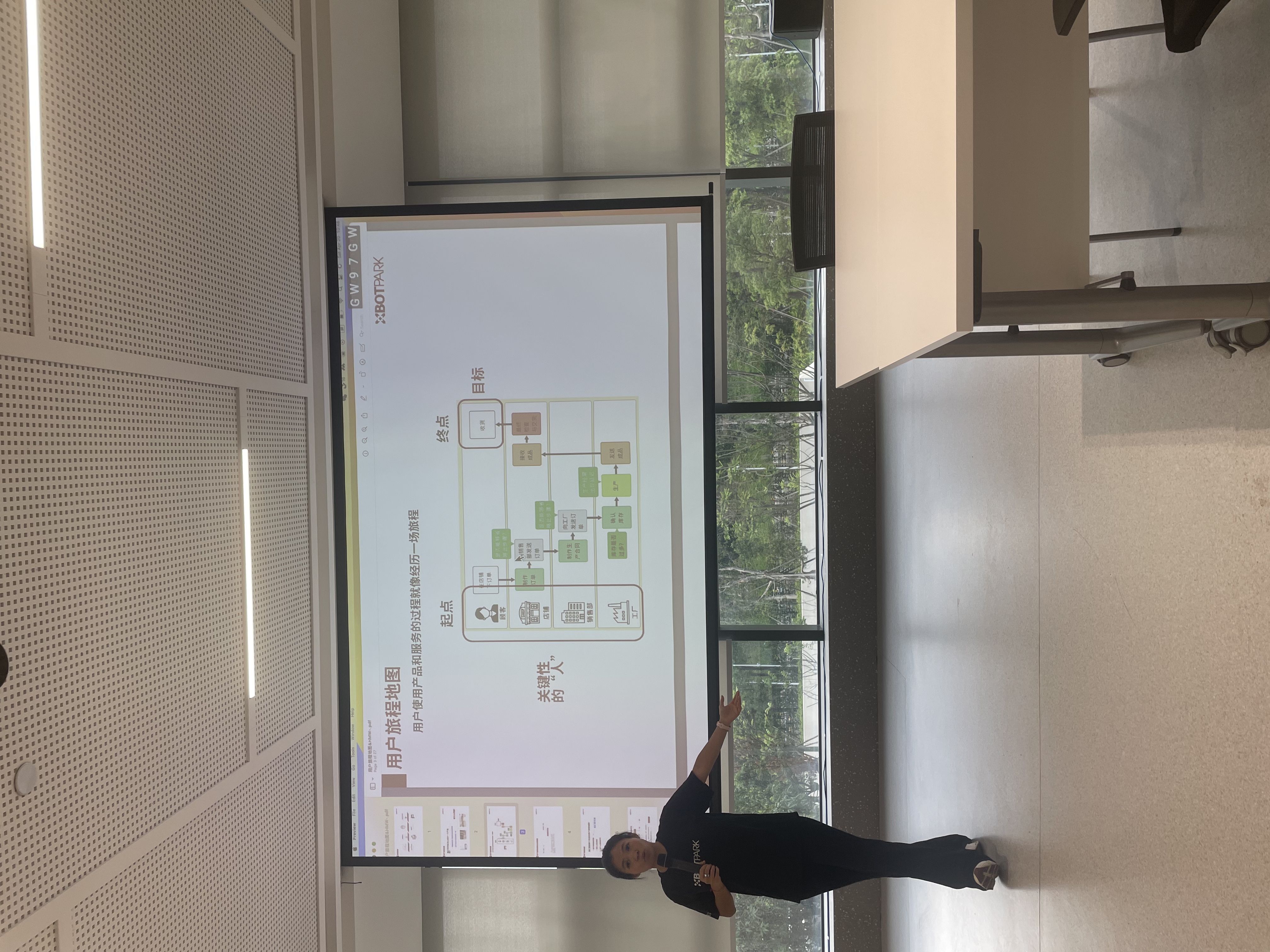
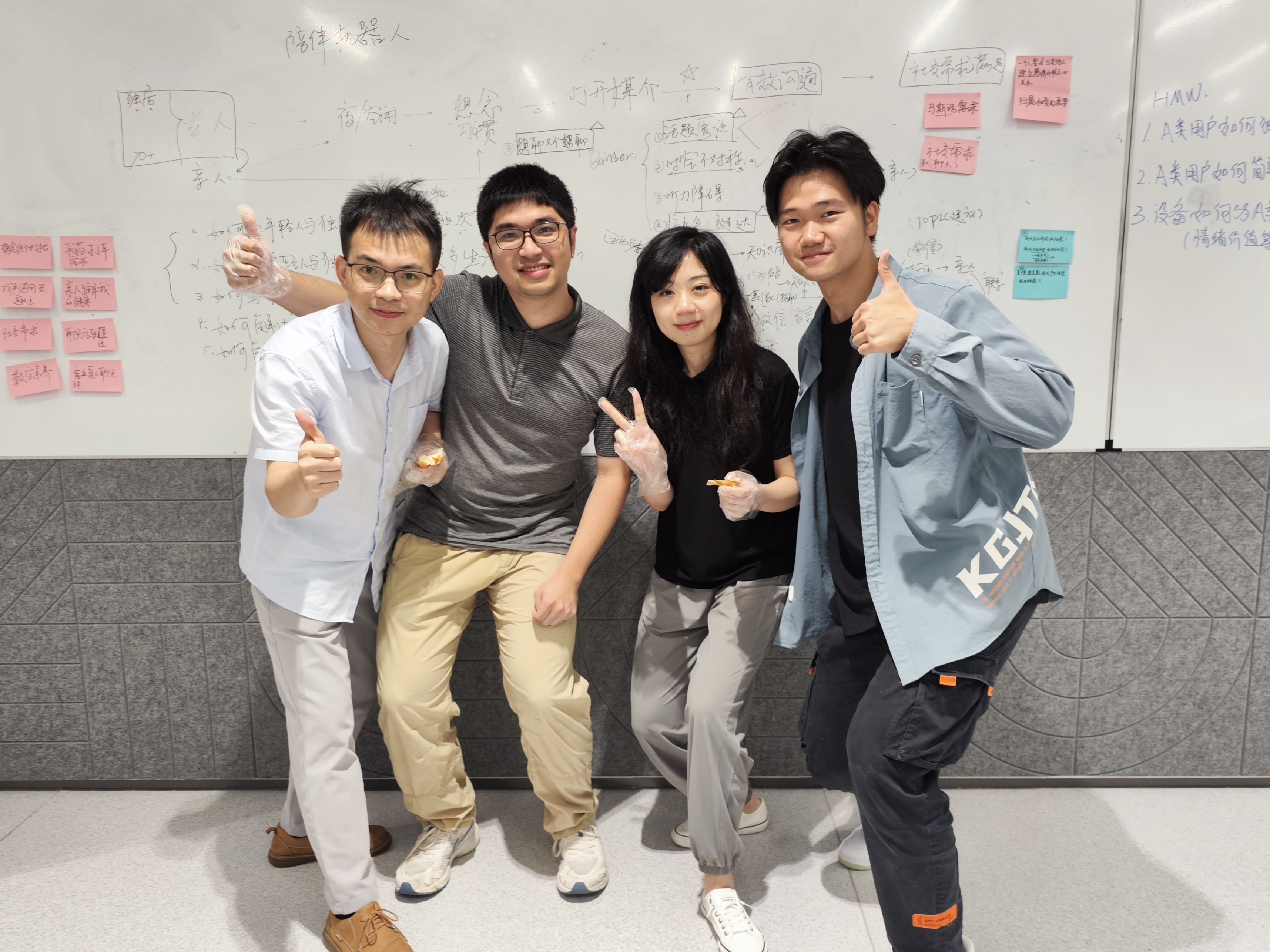
Once it became clear that the robotics studio could not grow very large, I kept asking myself what to work on next. In April 2024 I was accepted into Professor Zexiang Li’s XbotPark Camp, where I met a lot of good people. The first direction I explored was companion robots, around one question: how do you build a robot that gives you something like what a cat gives you?
Meeting Enzo, and moving into Pest Control
I spent two months on it and did a lot of user interviews, and never found a good hardware-plus-software entry point. Building yet another AI chat robot would have been genuinely boring — and the real question, why a cat makes you feel the way it does and how you would ever implement that feeling in hardware and software, I never answered. As it happened, a friend named Enzo had been looking for someone technical for a while, and I had been looking for something to build. An investor friend introduced us, we realized Pest Control was a strong direction, and the tour started there.
Why Pest Control
How I screened the market
The biggest lesson from the previous studio venture was about market selection:
- Pick a good market — big enough, with a high ceiling, and ideally with demand as durable as eating. That is what makes a direction good.
- Stay out of the way of the white-goods giants (Dreame, Xiaomi, Midea) and out of the knife fight between the Shenzhen export brands (Anker, Aukey).
- Sell globally. Consumer hardware margins in the domestic market are extremely thin.
- Choose a field traditional enough that modern technology has not reached it yet.
- Combine hardware and software to build stickiness, and monetize through software subscription rather than the hardware alone.
Pest Control passed all five filters.
What we are actually solving
The product has not launched yet, so there is a limit to what I can say — but the core of it is:
- Intelligent IoT.
- Humane, painless dispatch.
- Easy cleanup afterwards.
- Correct placement.
User research in the real environment
Zero to one in a small room in Hangzhou
We did not raise money or try to scale early — just the two of us. We started from the premise of Pest Control itself and explored what form the product should even take. It was not a well-defined problem so much as a search for whether a better solution existed at all; the early phase felt a lot like research.
So the two of us started from zero, in a small room in Hangzhou.
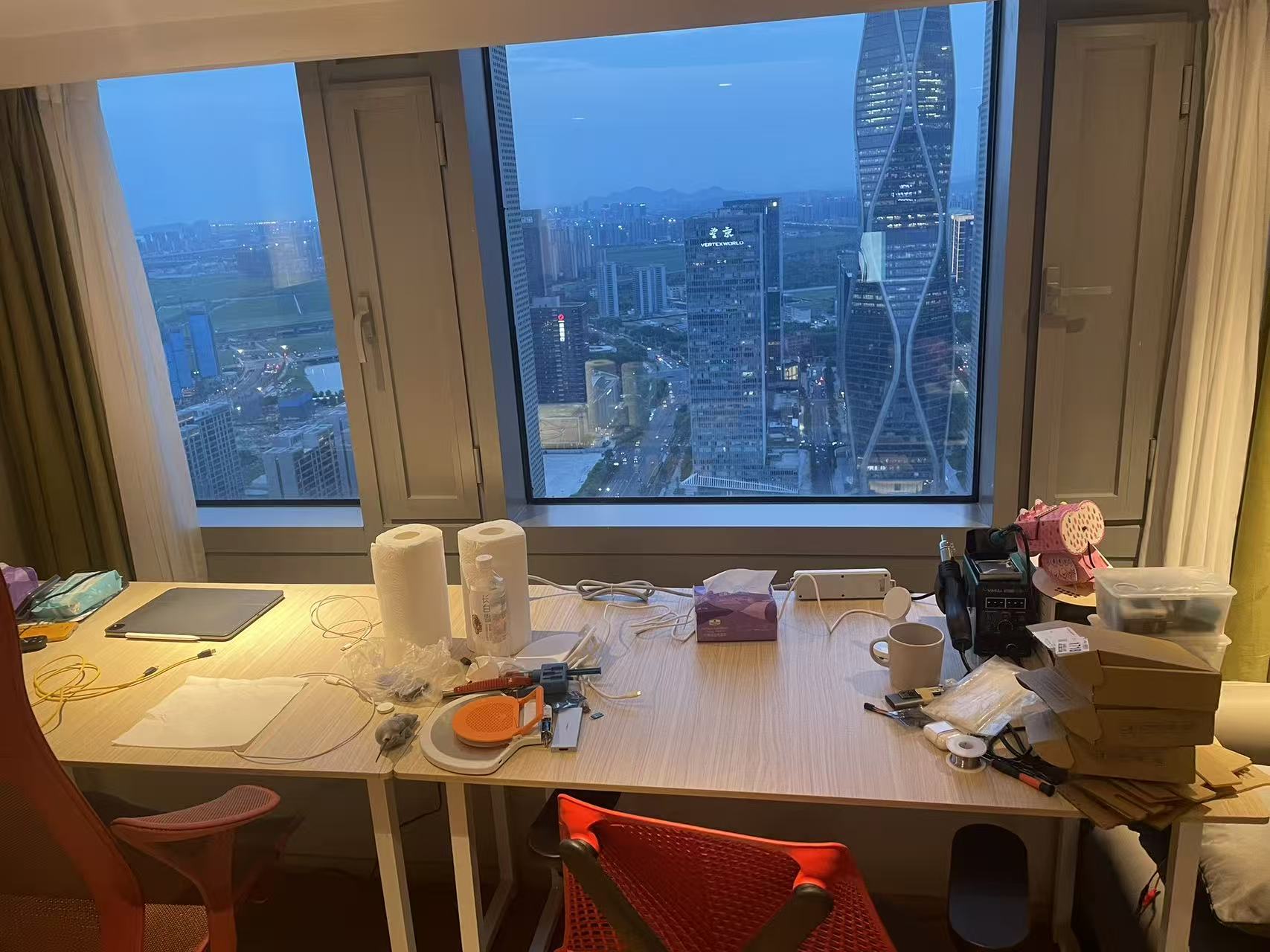
The first office in Hangzhou.
Following exterminators into commercial kitchens and homes
We also found a friend’s pest control company and spent our days riding along with their technicians catching rats — in commercial kitchens and in ordinary homes. We had not decided whether to start with consumers or with businesses, so we kept exploring.
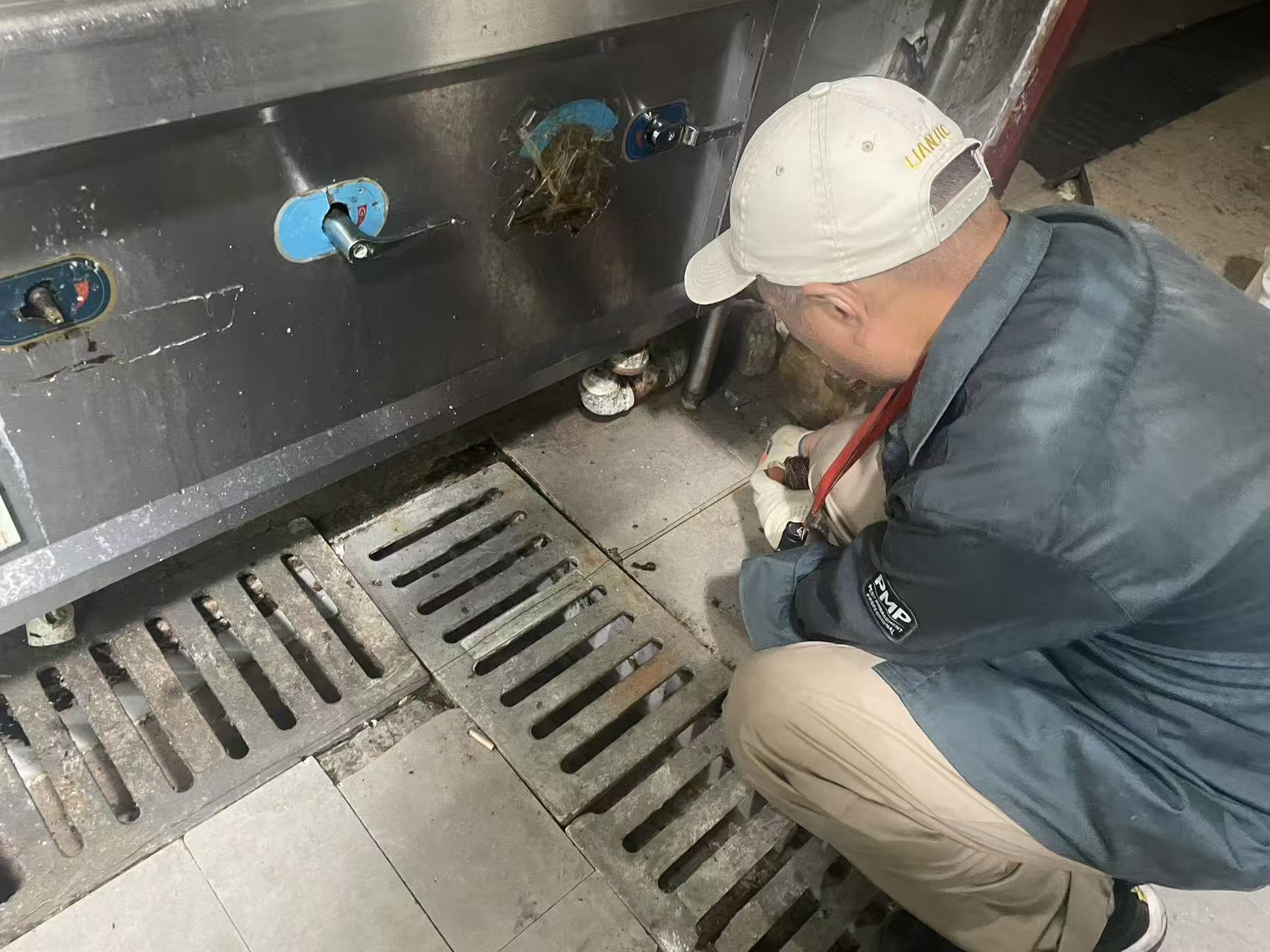
Out catching rats with the technicians.
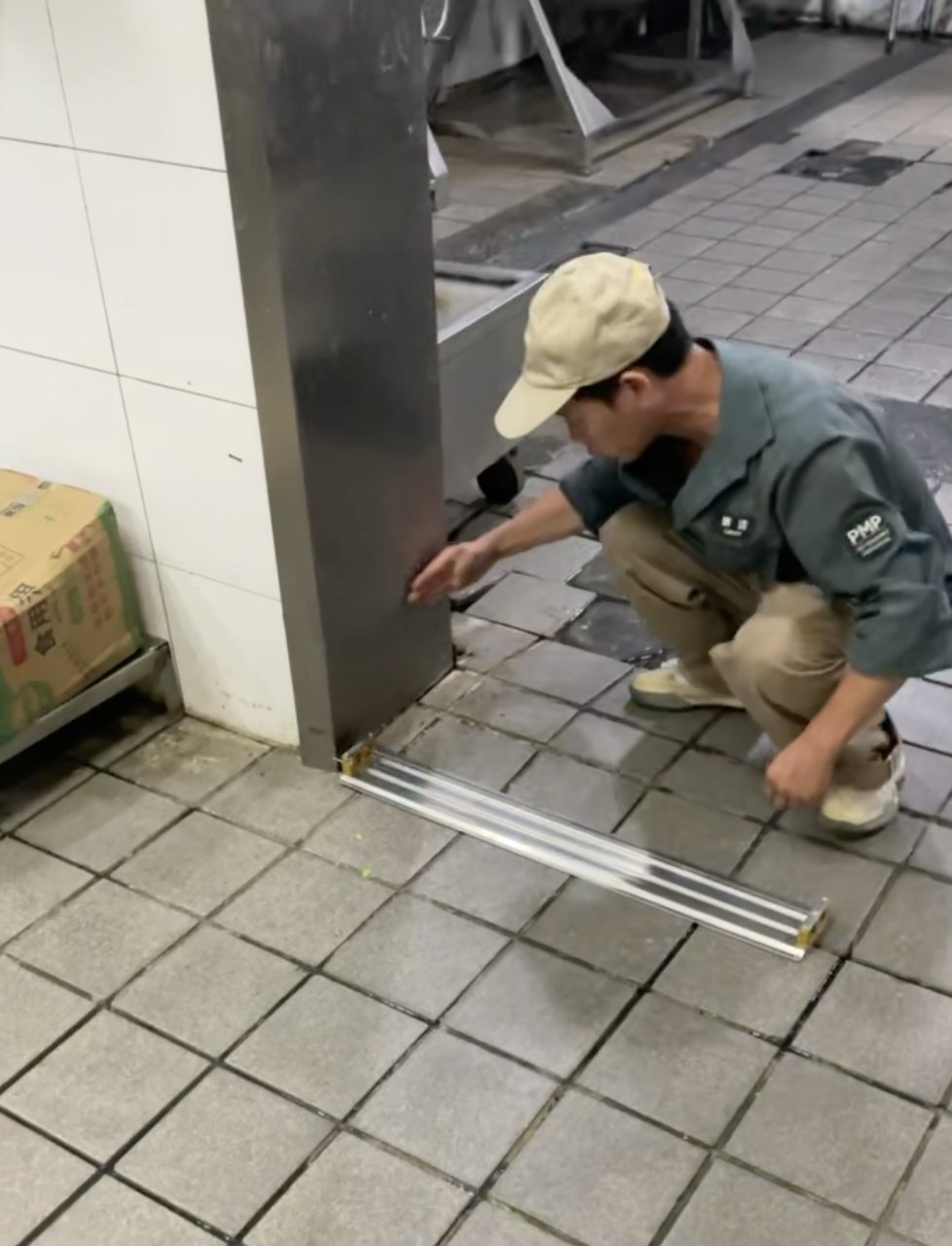
Working out what is actually wrong with the tools already on the market.
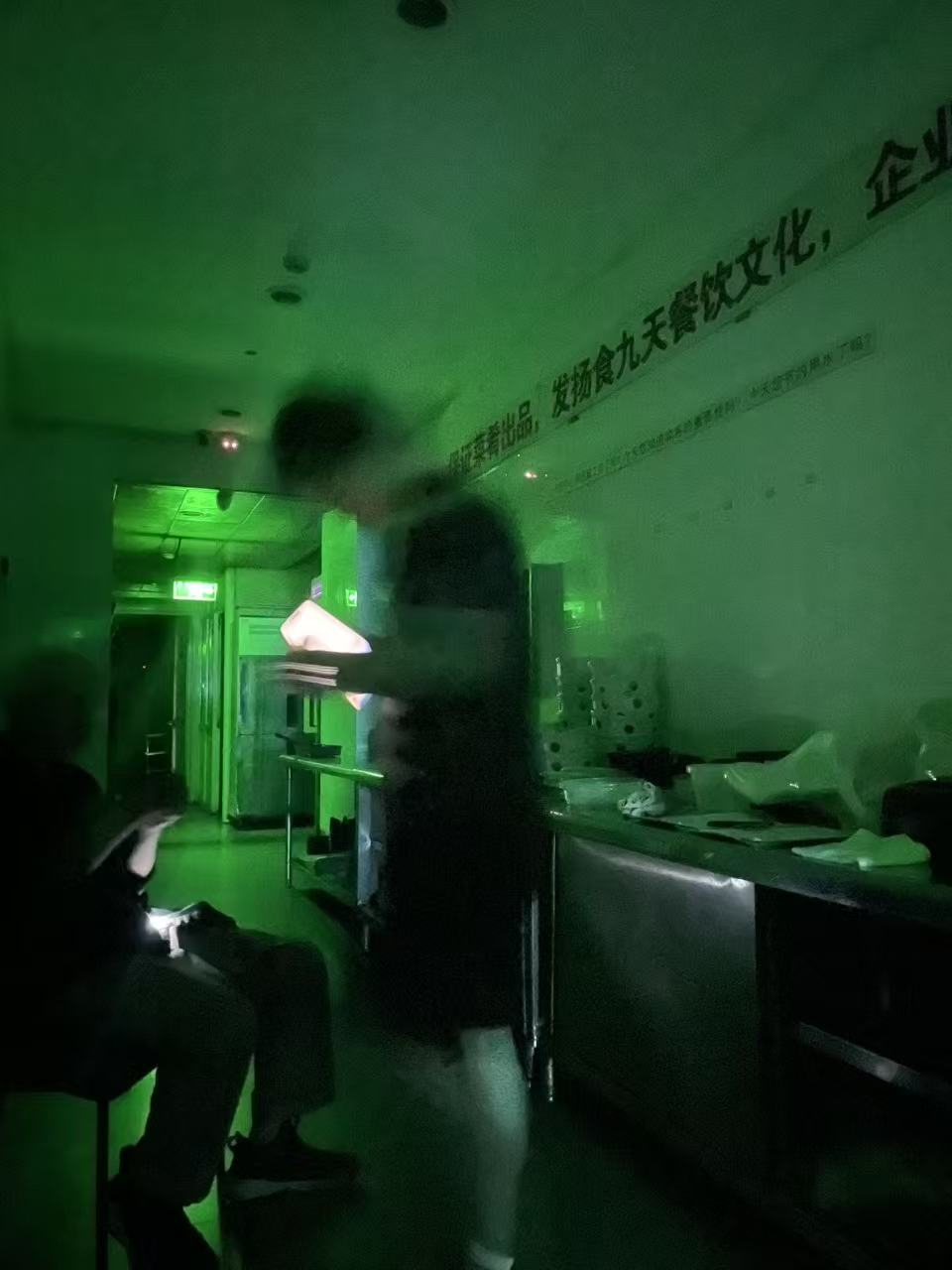
Today the most effective method is running a high-voltage grid — and then sitting up all night watching it.
Learning the pain points, and collecting data
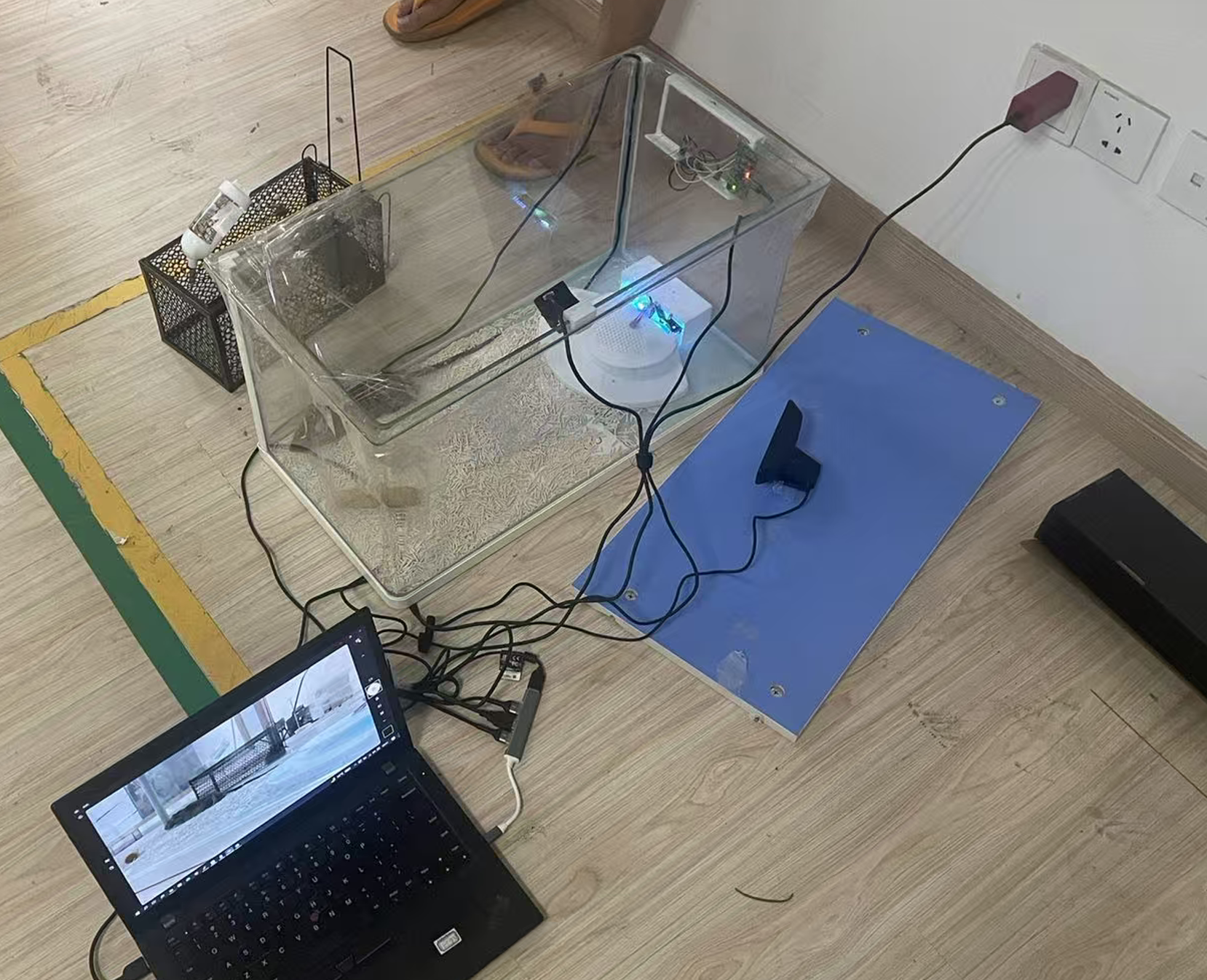
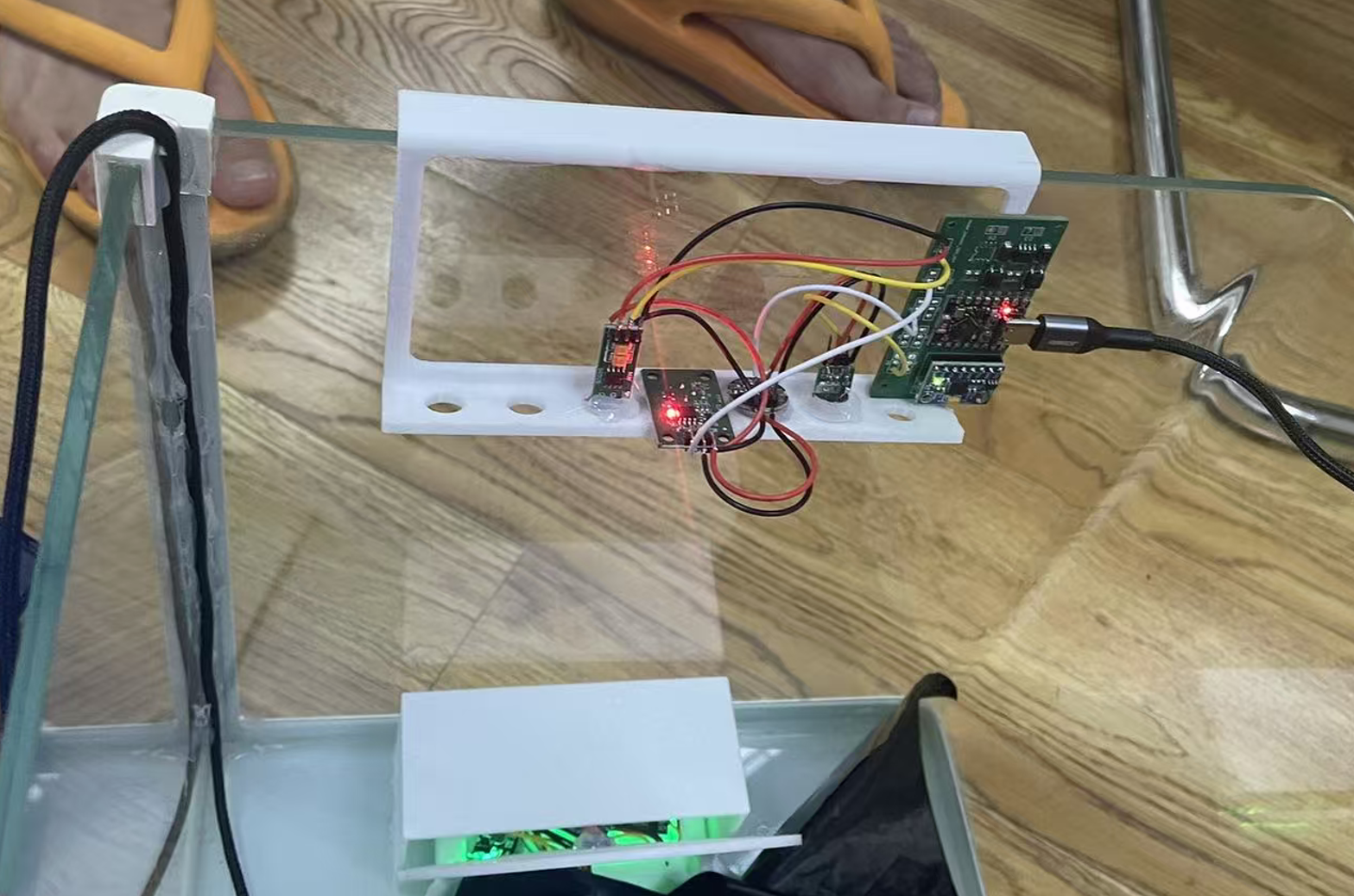
Early on we built a rig to record video, sound, vibration and passive-infrared data from rats.
Early prototypes: detection, structure and method
First insight: humane and effective dispatch
The first insight we settled on was how to dispatch a rat more humanely. Our idea was high voltage combined with the right mechanical structure, and from there we started testing — hardware and software designed and tested together.
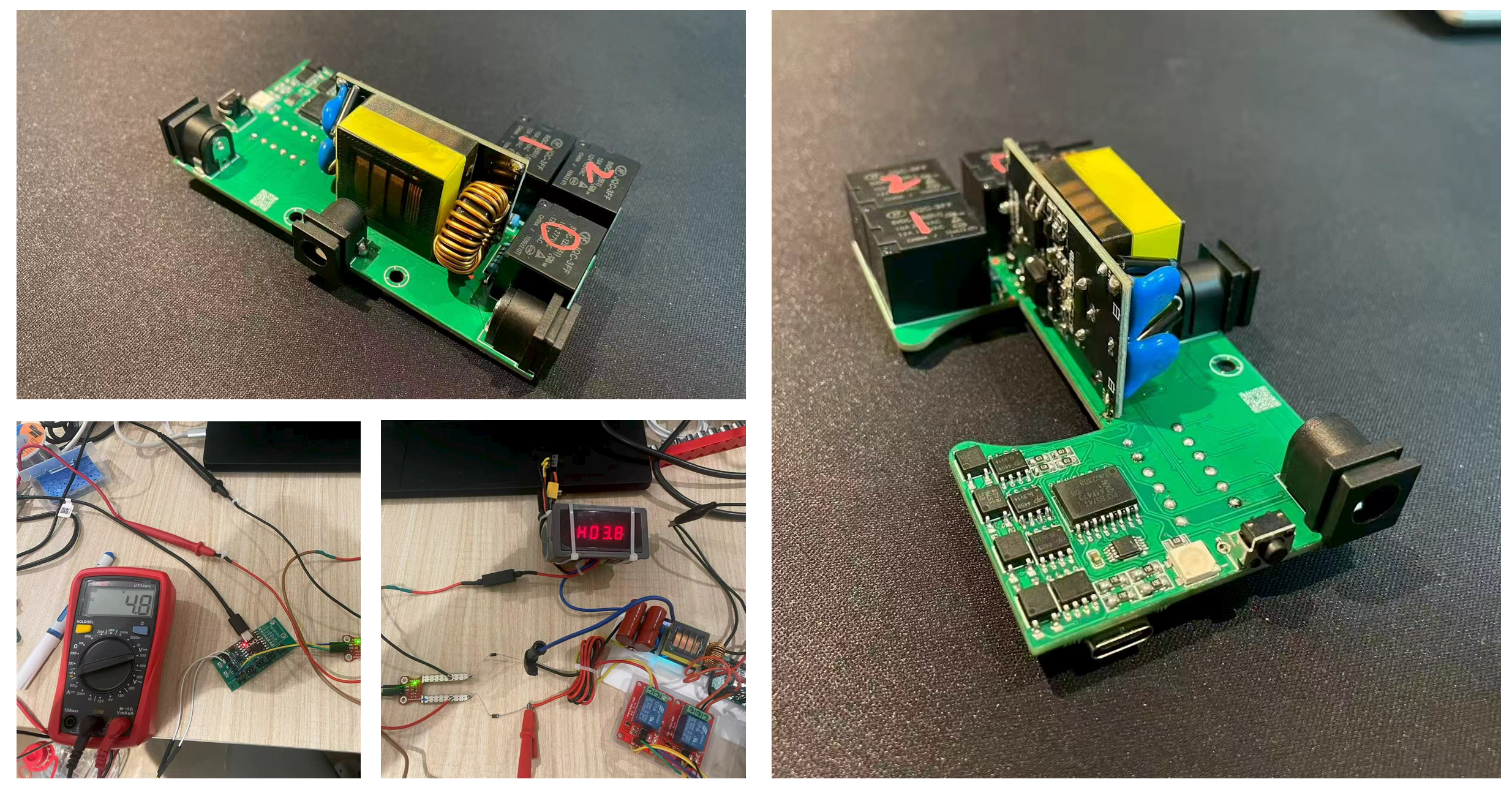
The first revision of the test circuit.
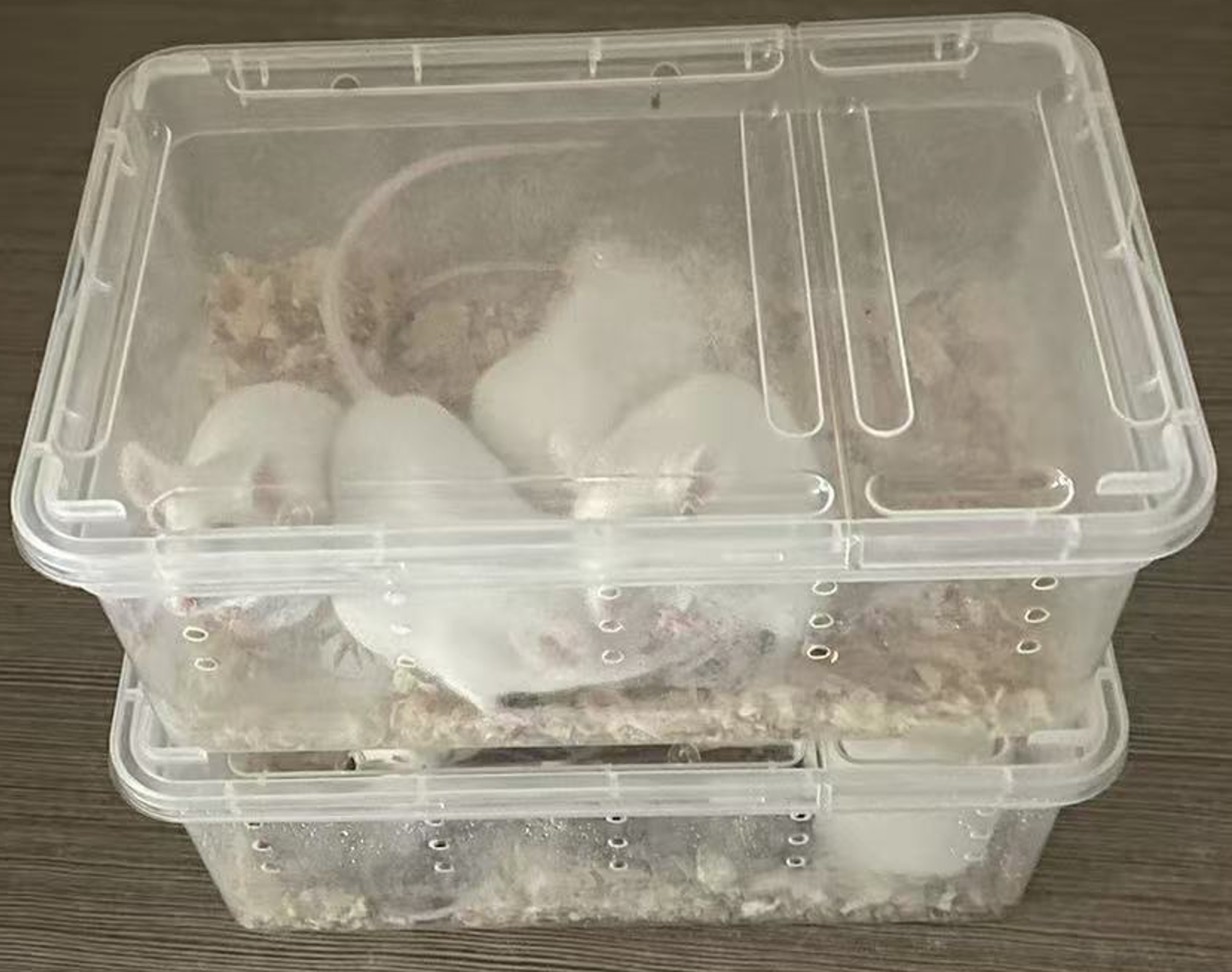
At the very beginning we were still testing with lab mice.
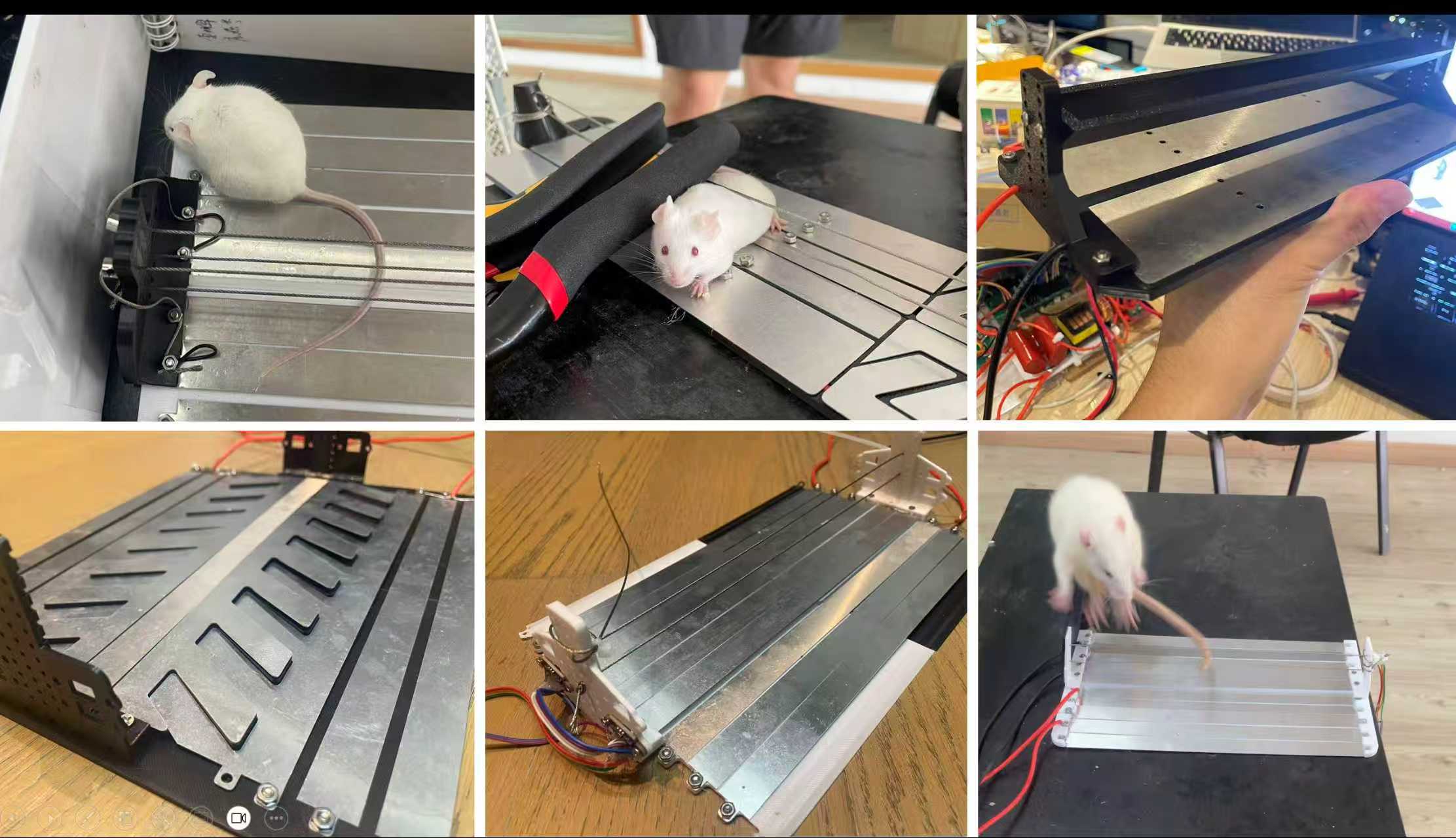
Testing various form factors with lab mice.
From lab mice to a wild-rat test environment
We soon found that lab mice are nowhere near wild rats in activity level or capability, so we built a dedicated room for keeping and testing with wild rats.
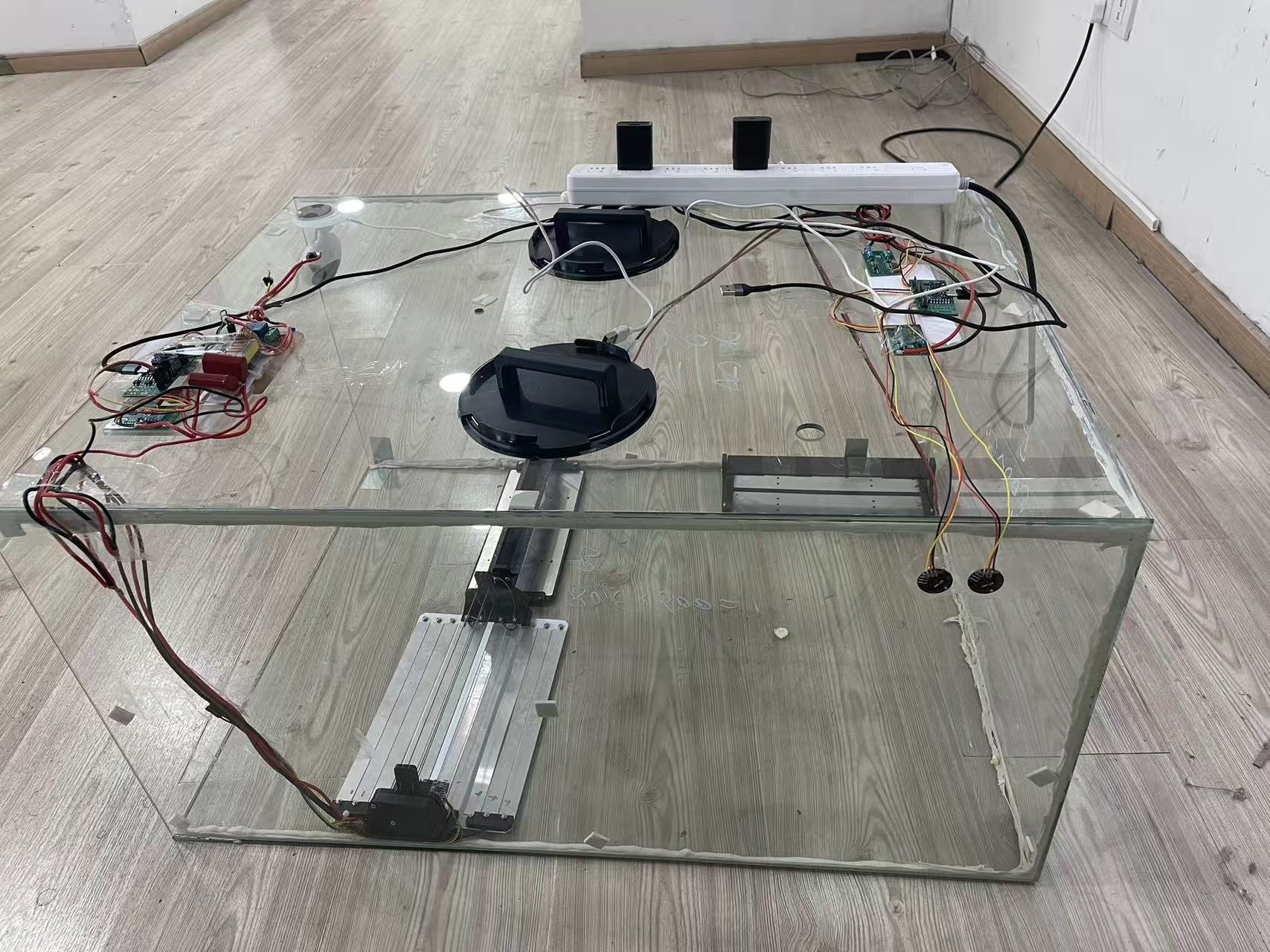
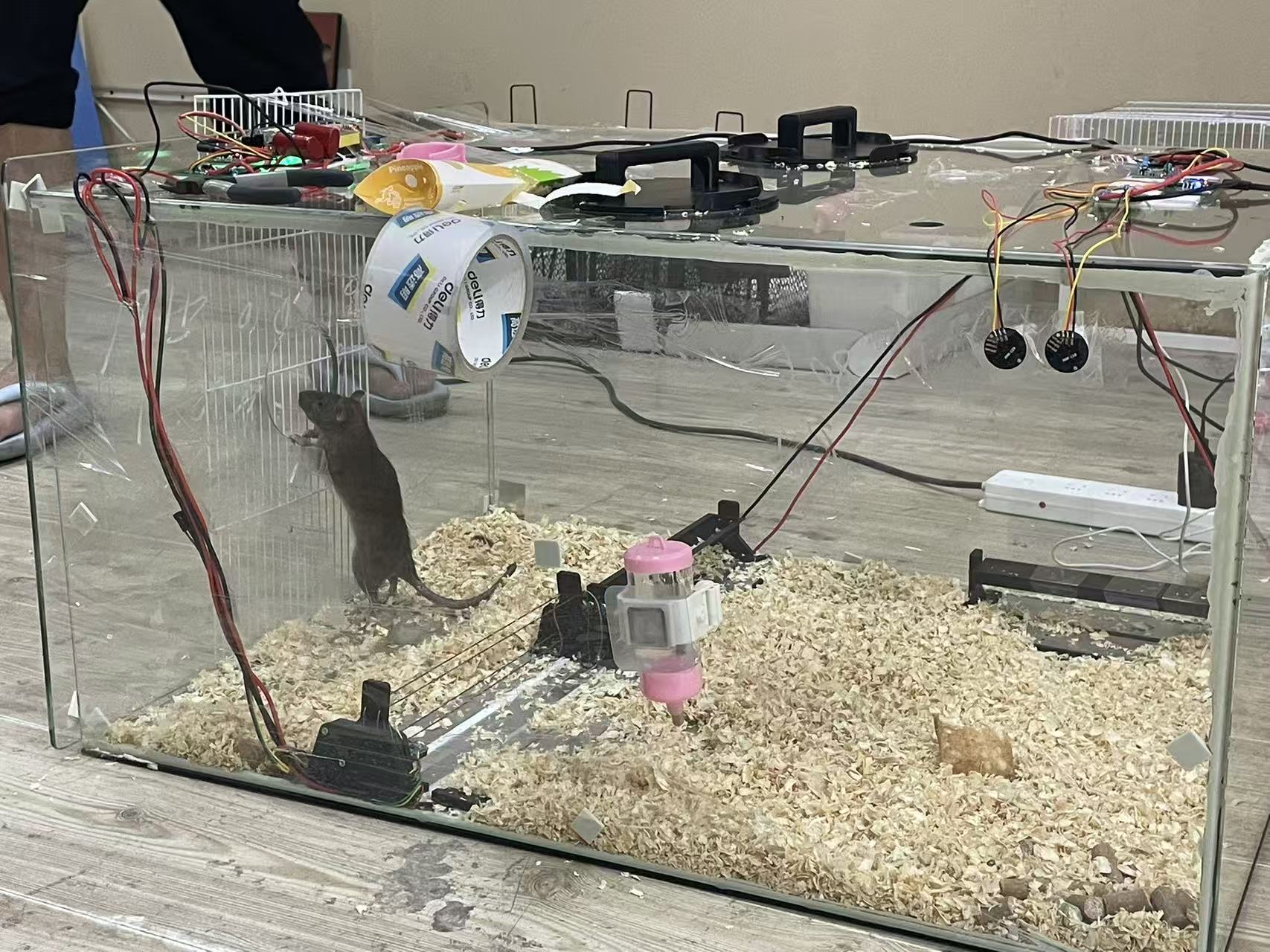
The early cages for testing the devices.
Dozens of form factors, and the first validated version
Inside it we tested form factor after form factor, detection method after detection method, and designed circuit after circuit. It took roughly two to three months to reach a first complete version and start testing it.
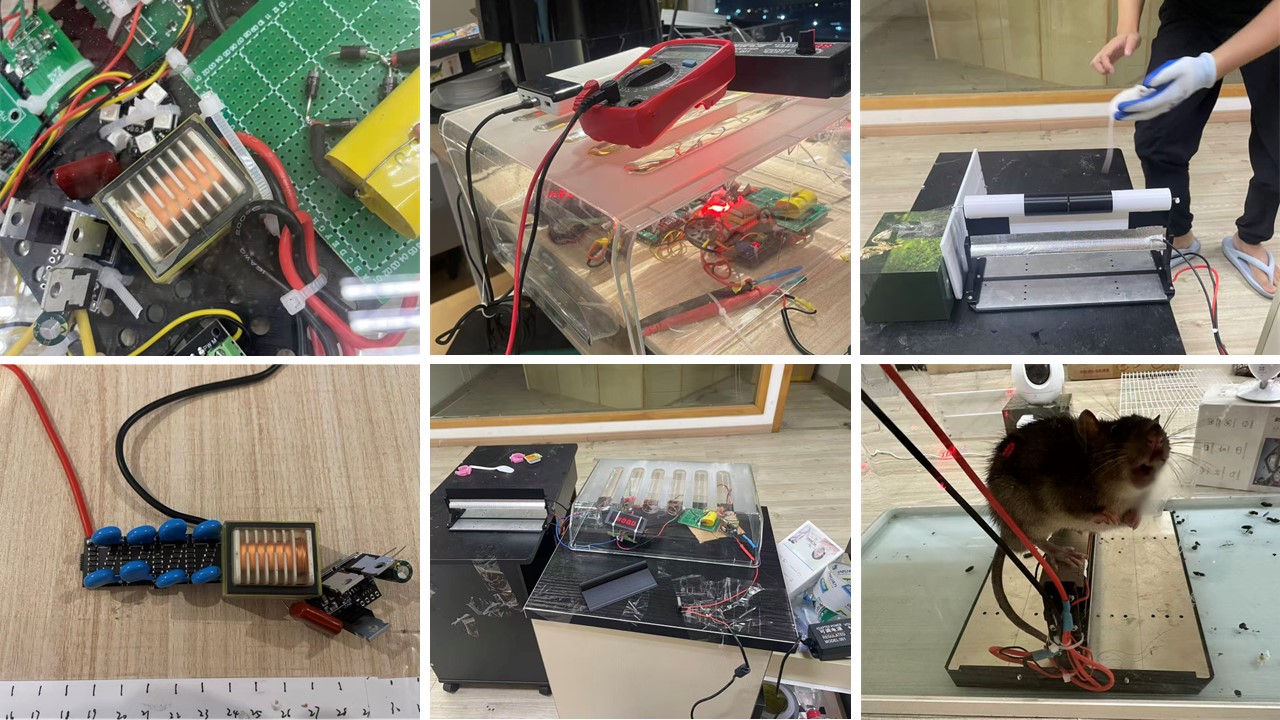
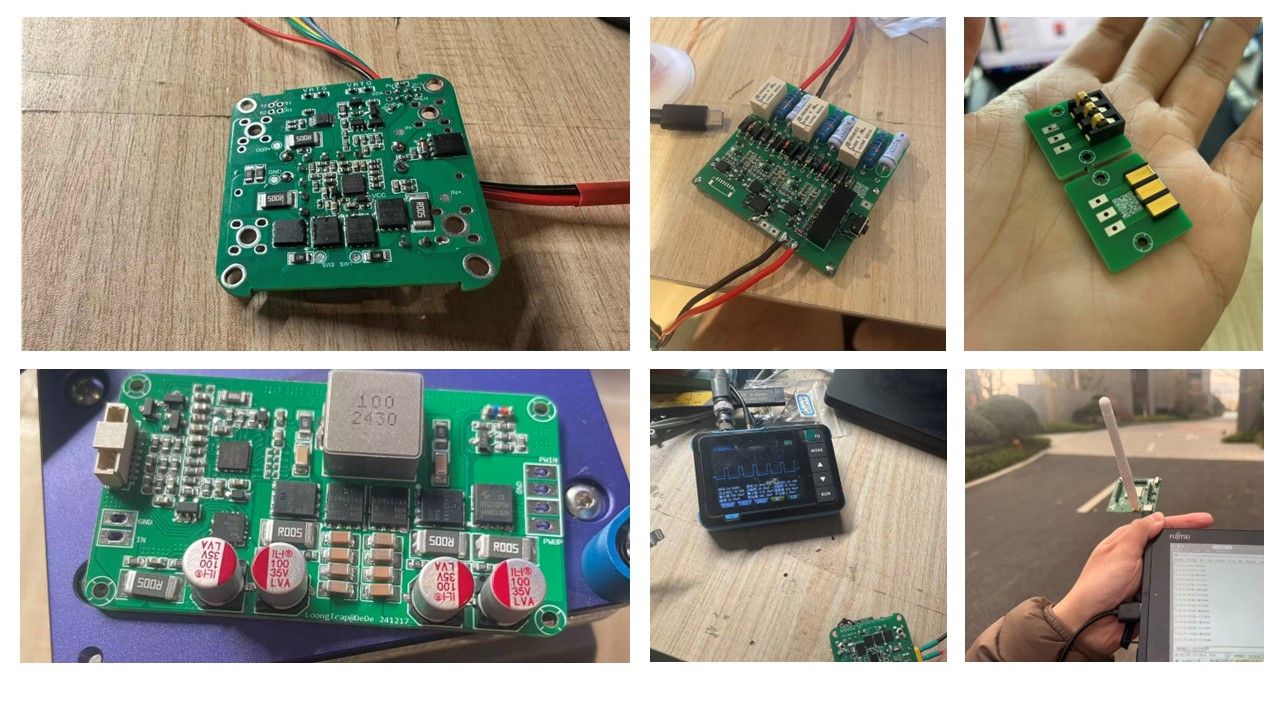
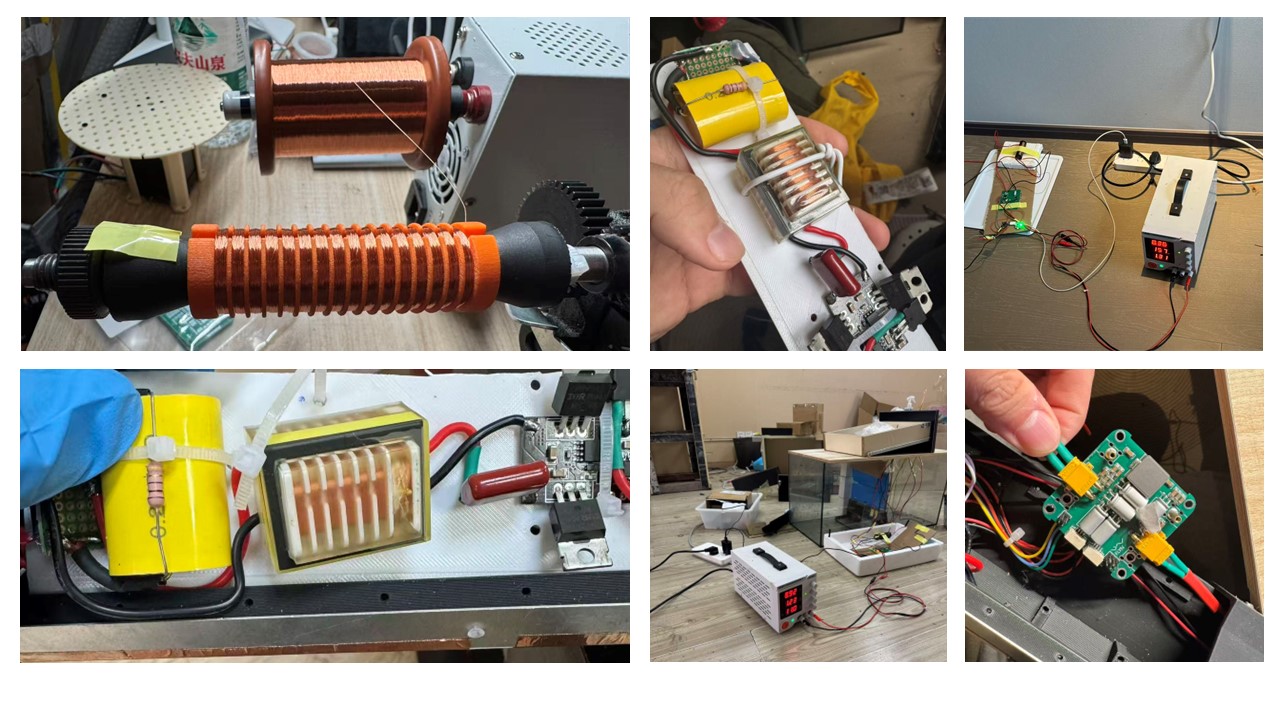
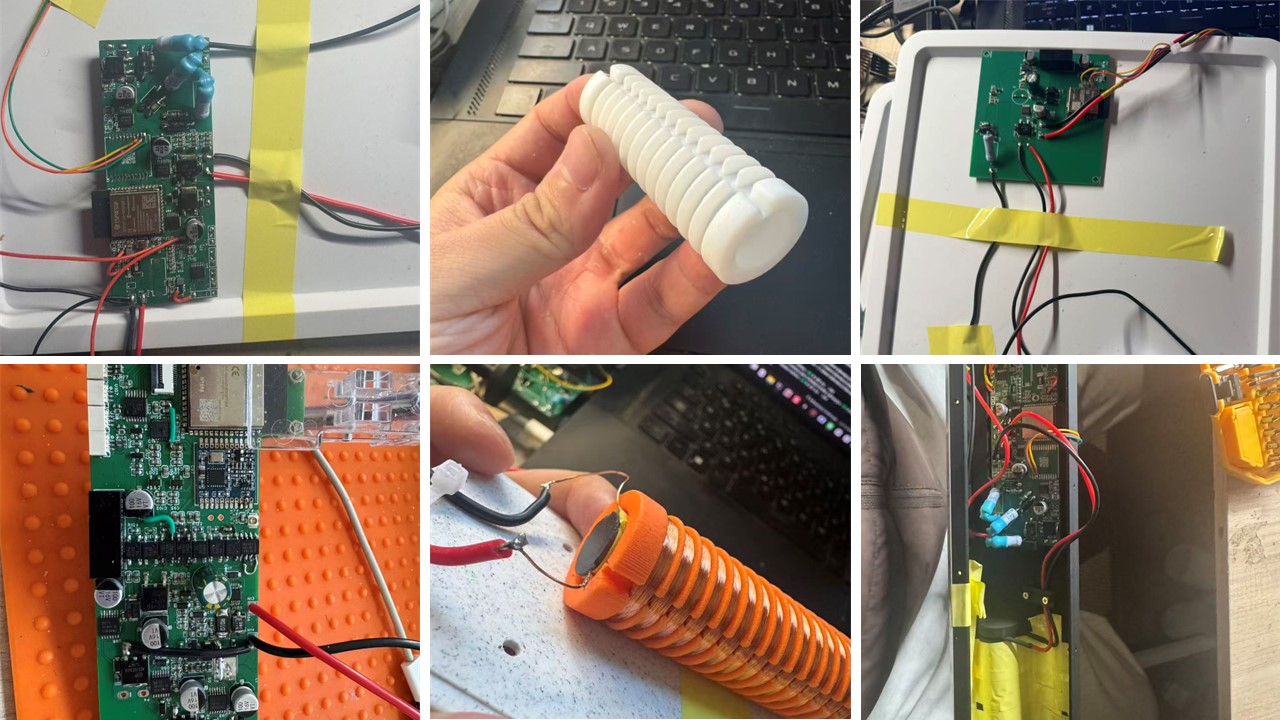
Testing a wide range of structures and circuits.
Building a rat room for long-term testing
Over several months we designed dozens of different forms. We went from buying lab mice, to renting a space of our own and building a 15 m² rat room inside it, stocked with wild rats caught at the wet market, to find out whether the devices we designed actually worked. The most painful parts were that it is genuinely a bit frightening (wild rats are vicious), that there is no fast way to tell whether something is working, and that you never know what the rat is actually thinking.
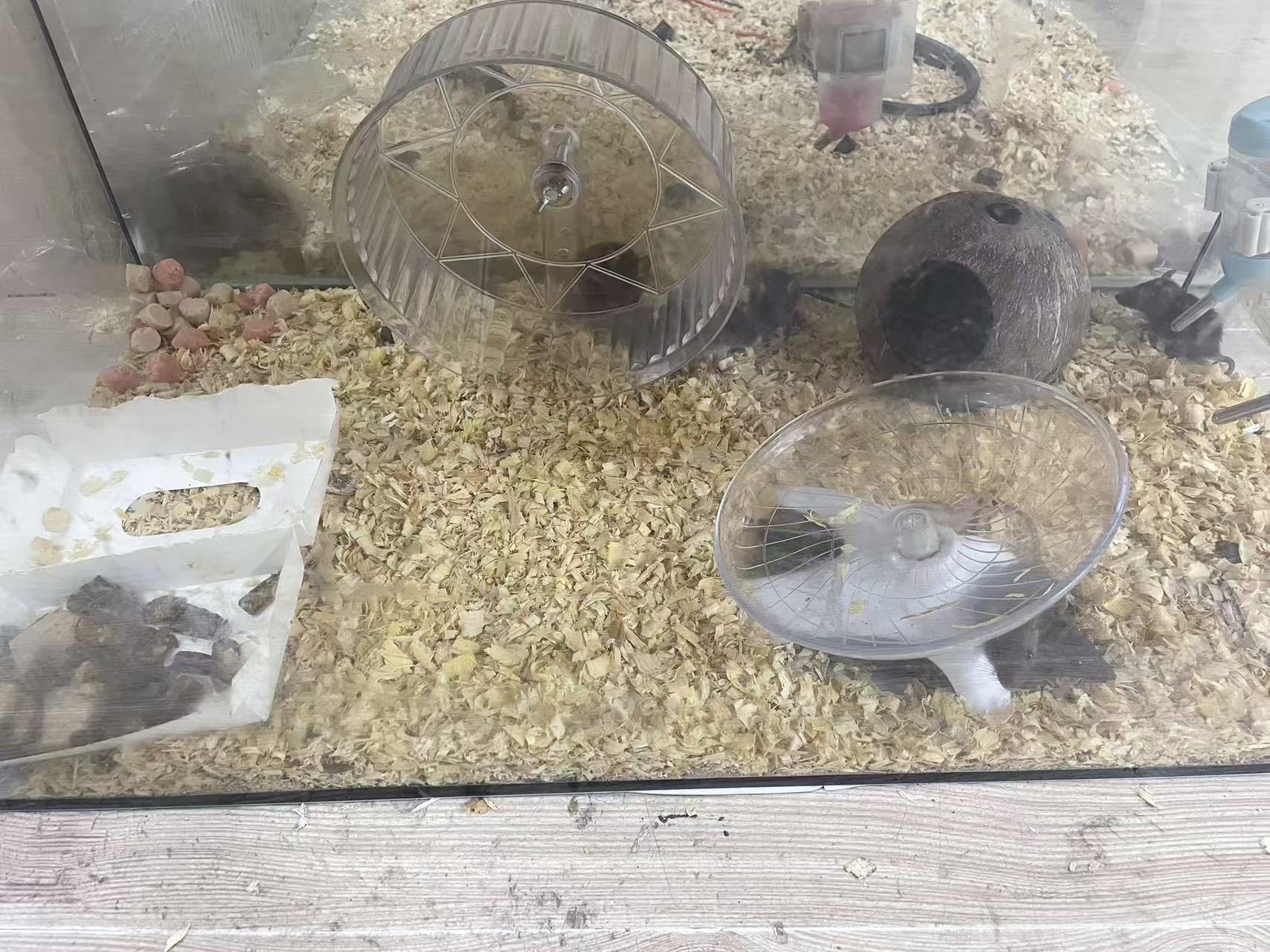
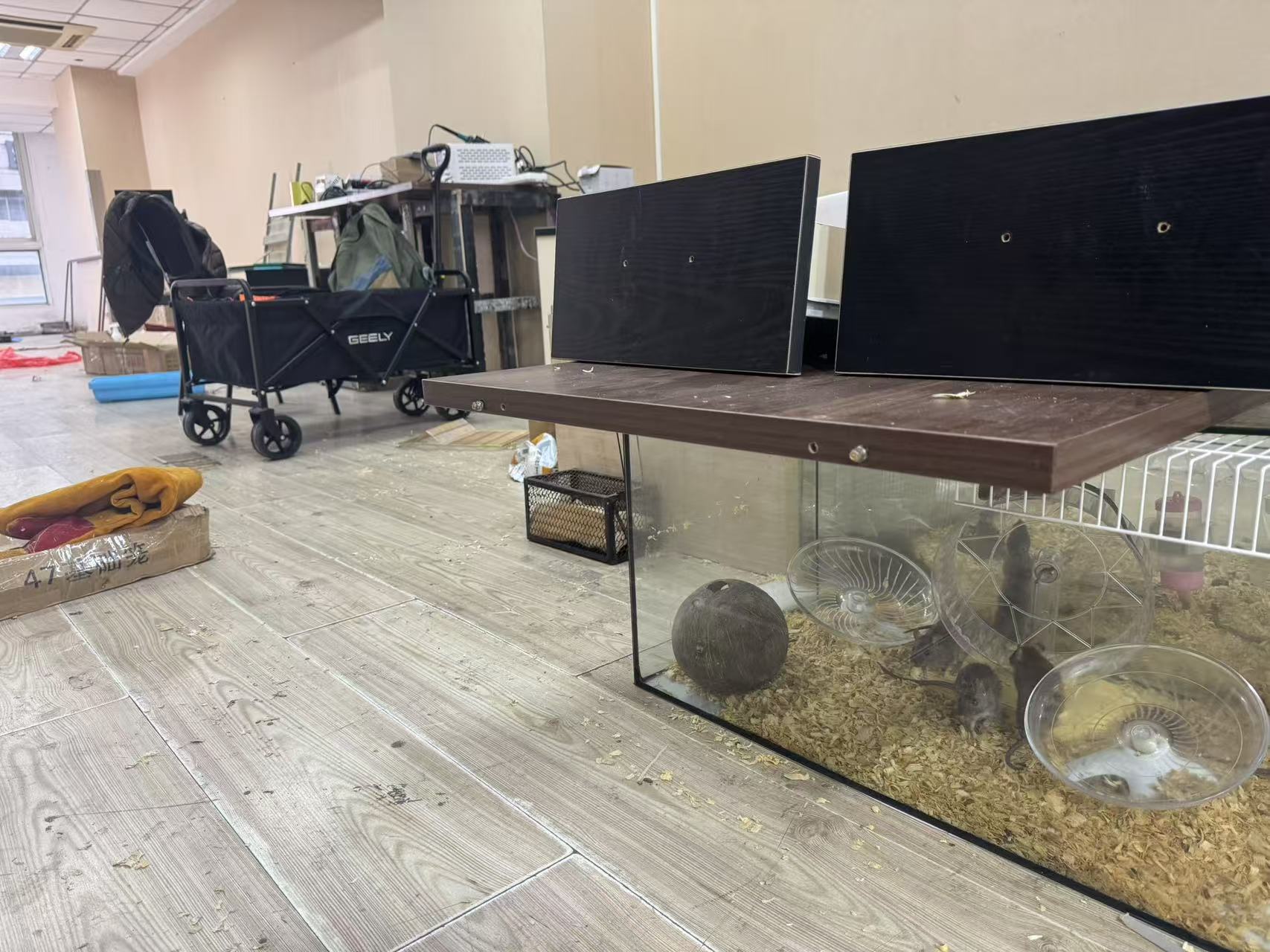
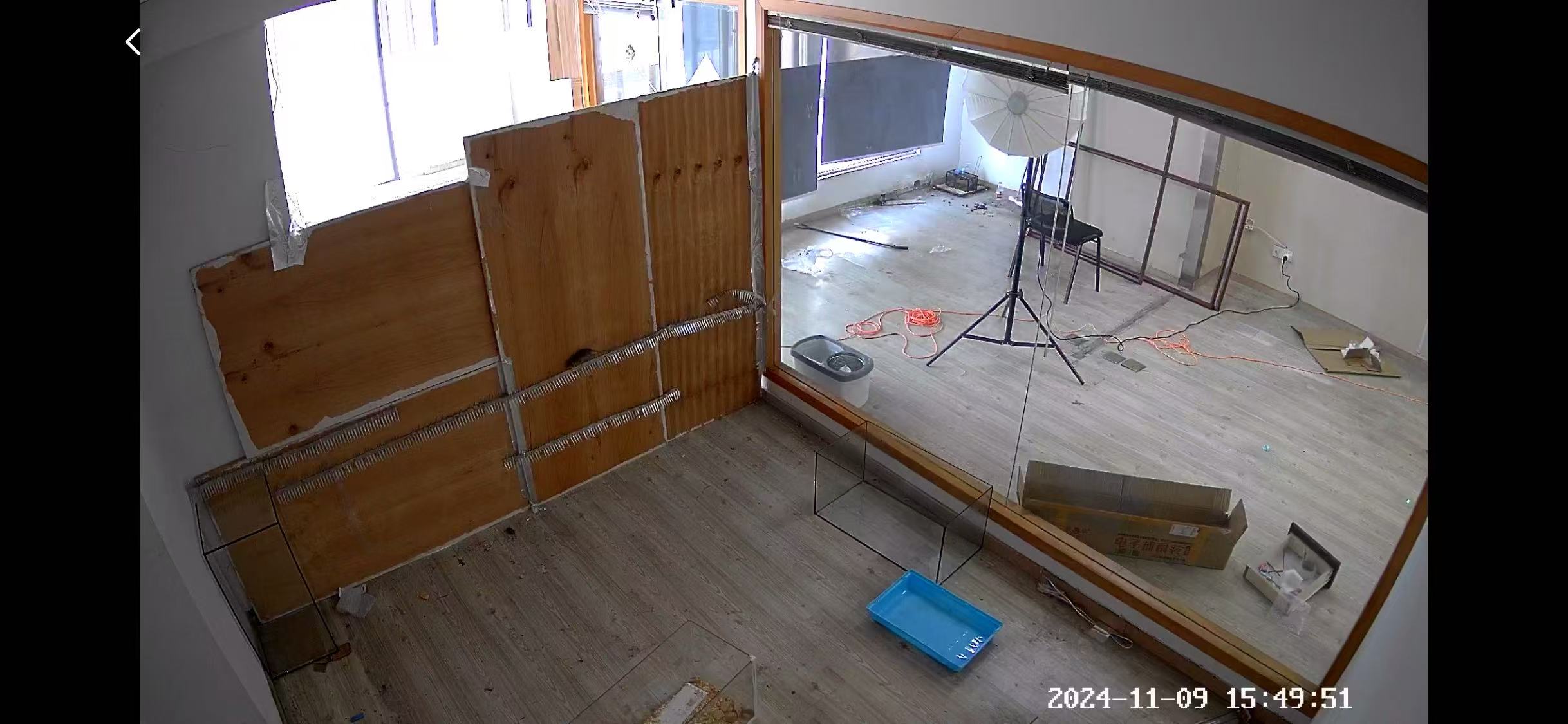
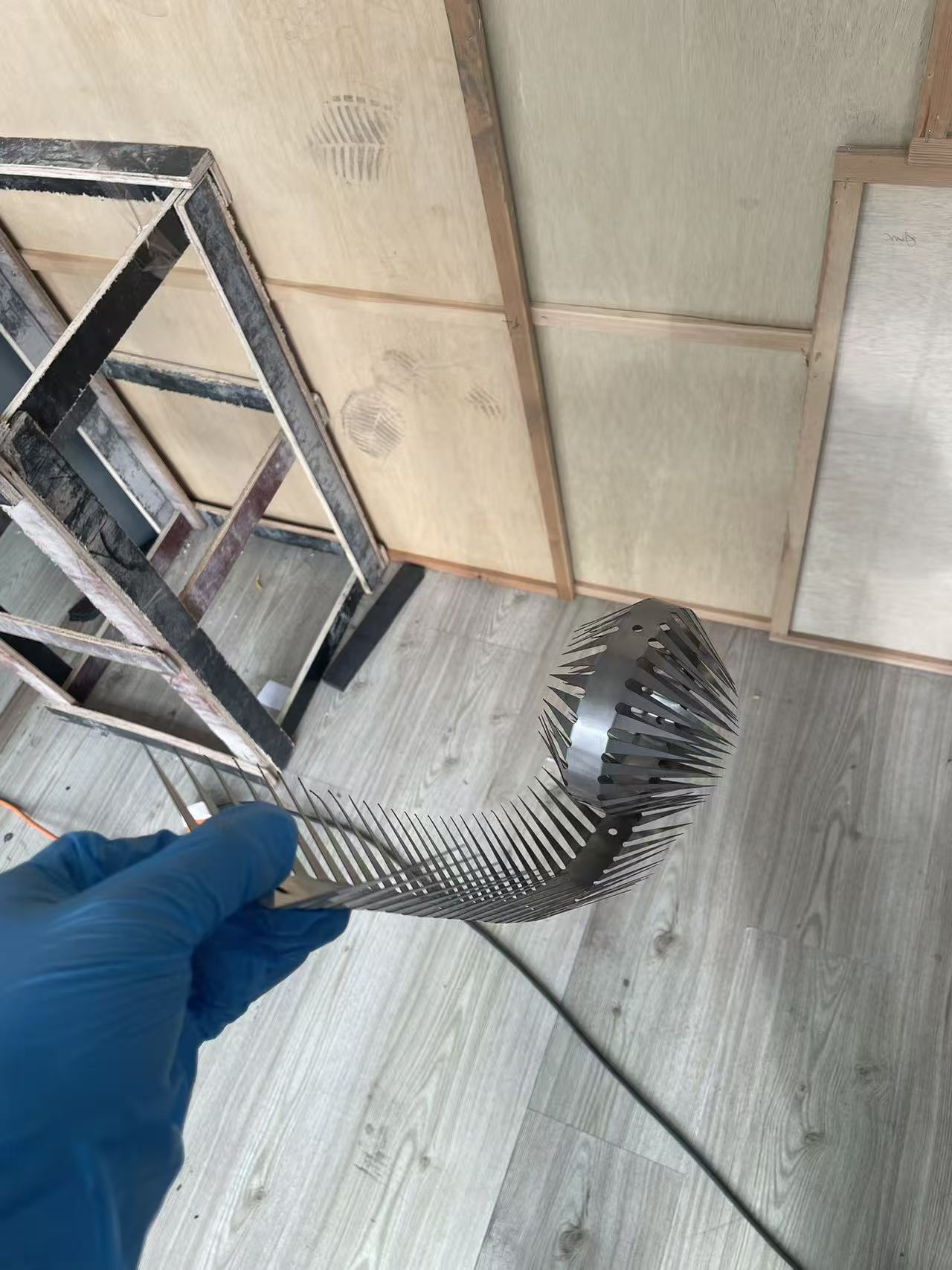
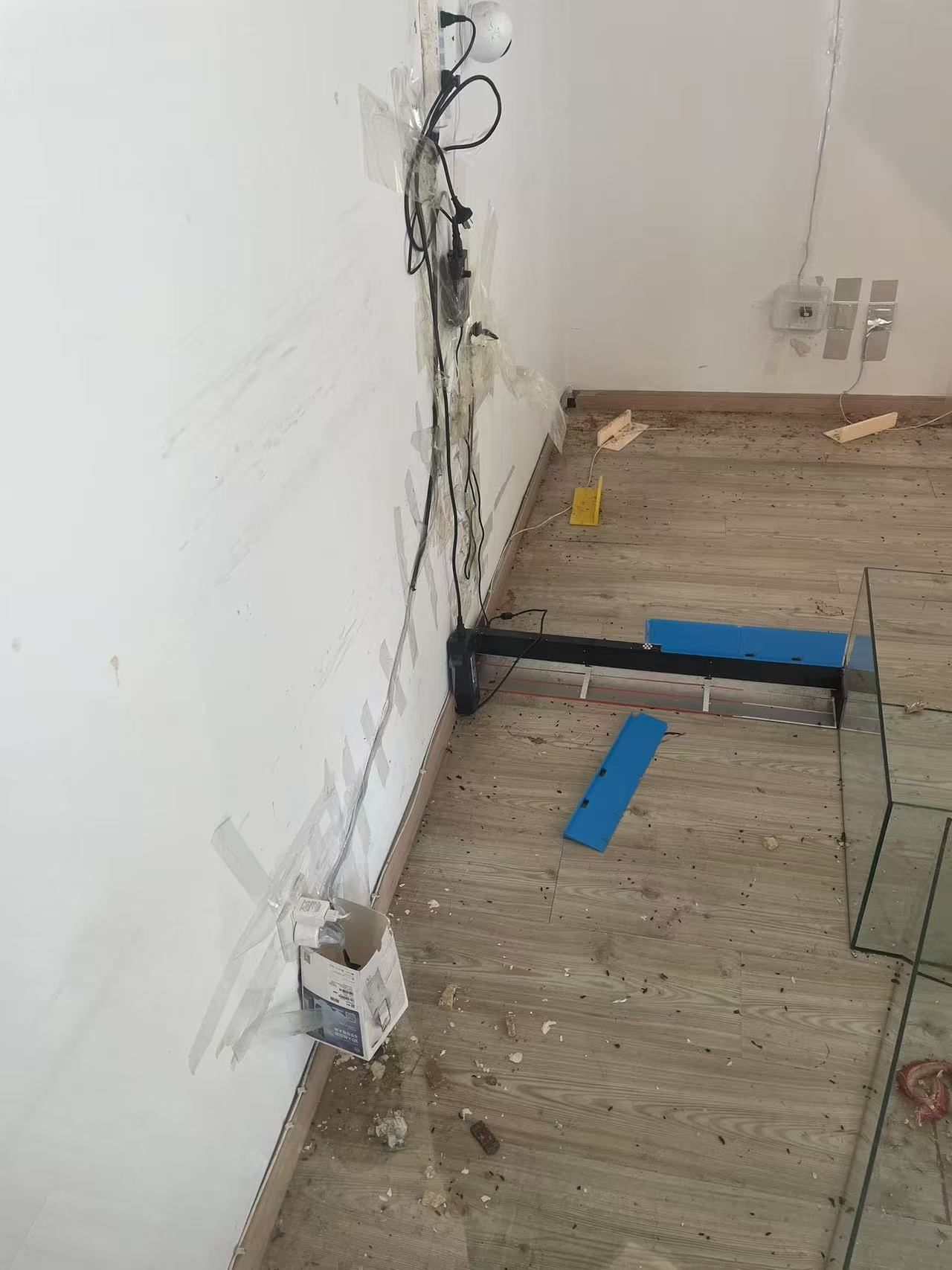
Building the rat room for testing the devices.
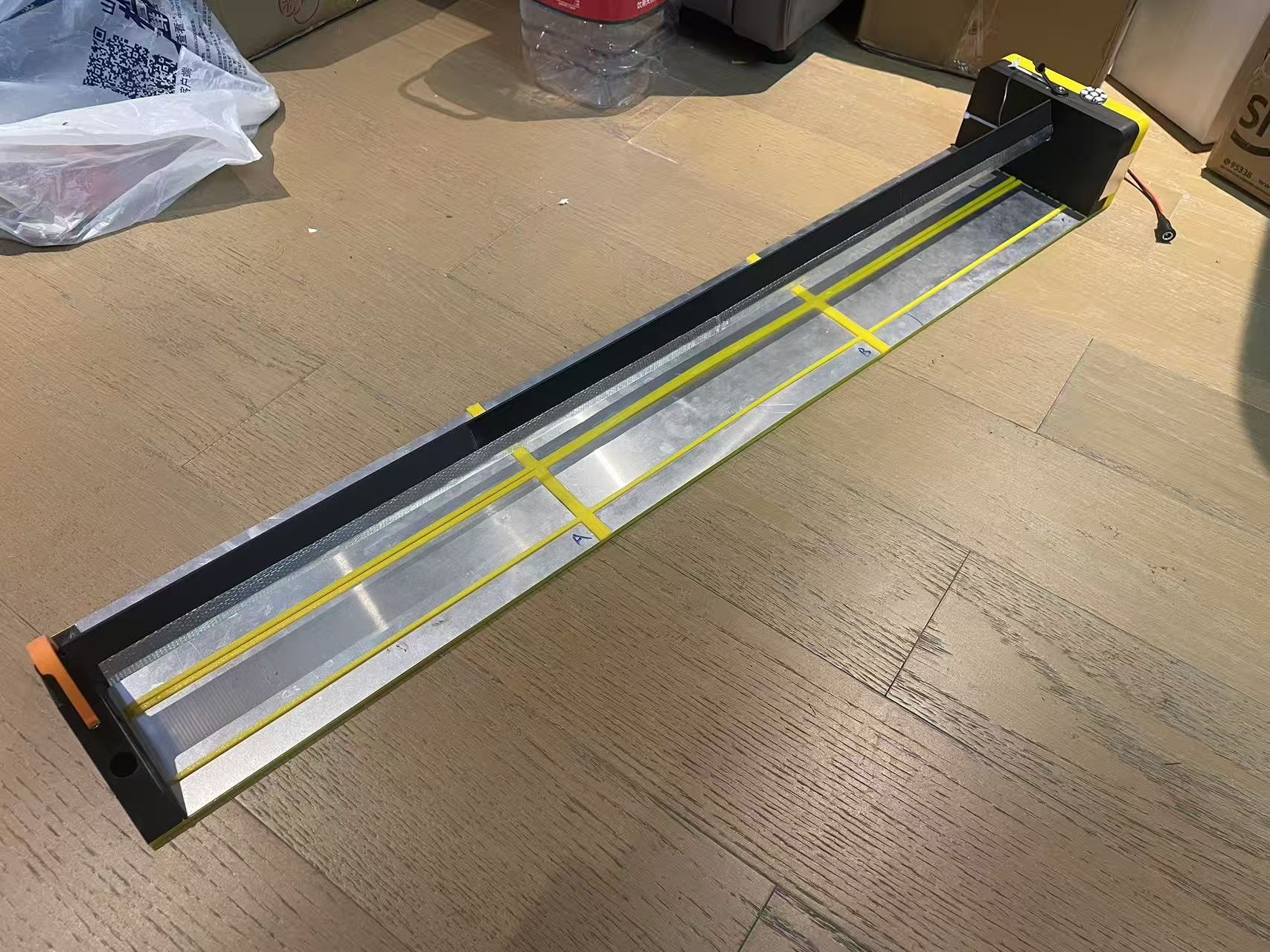
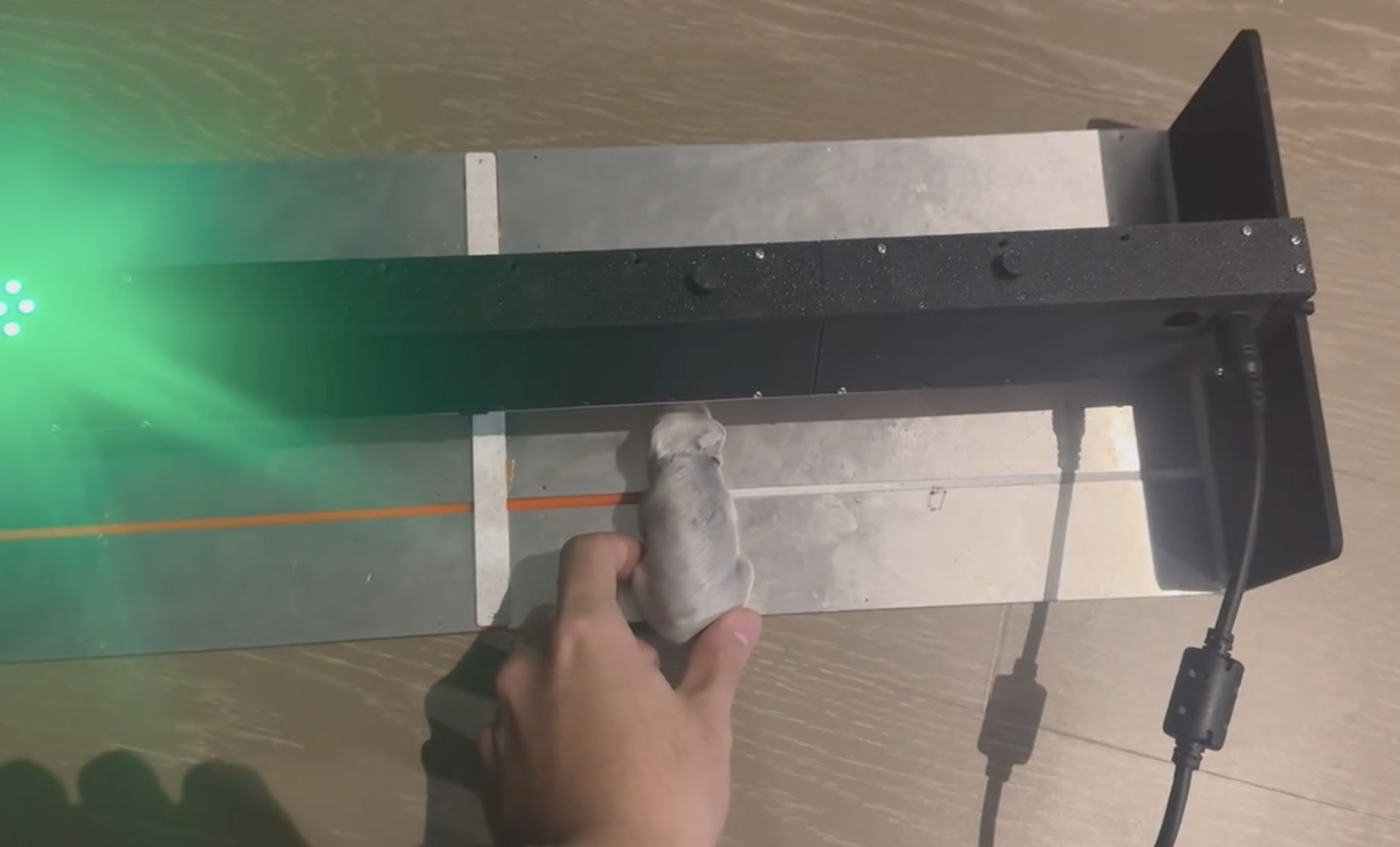
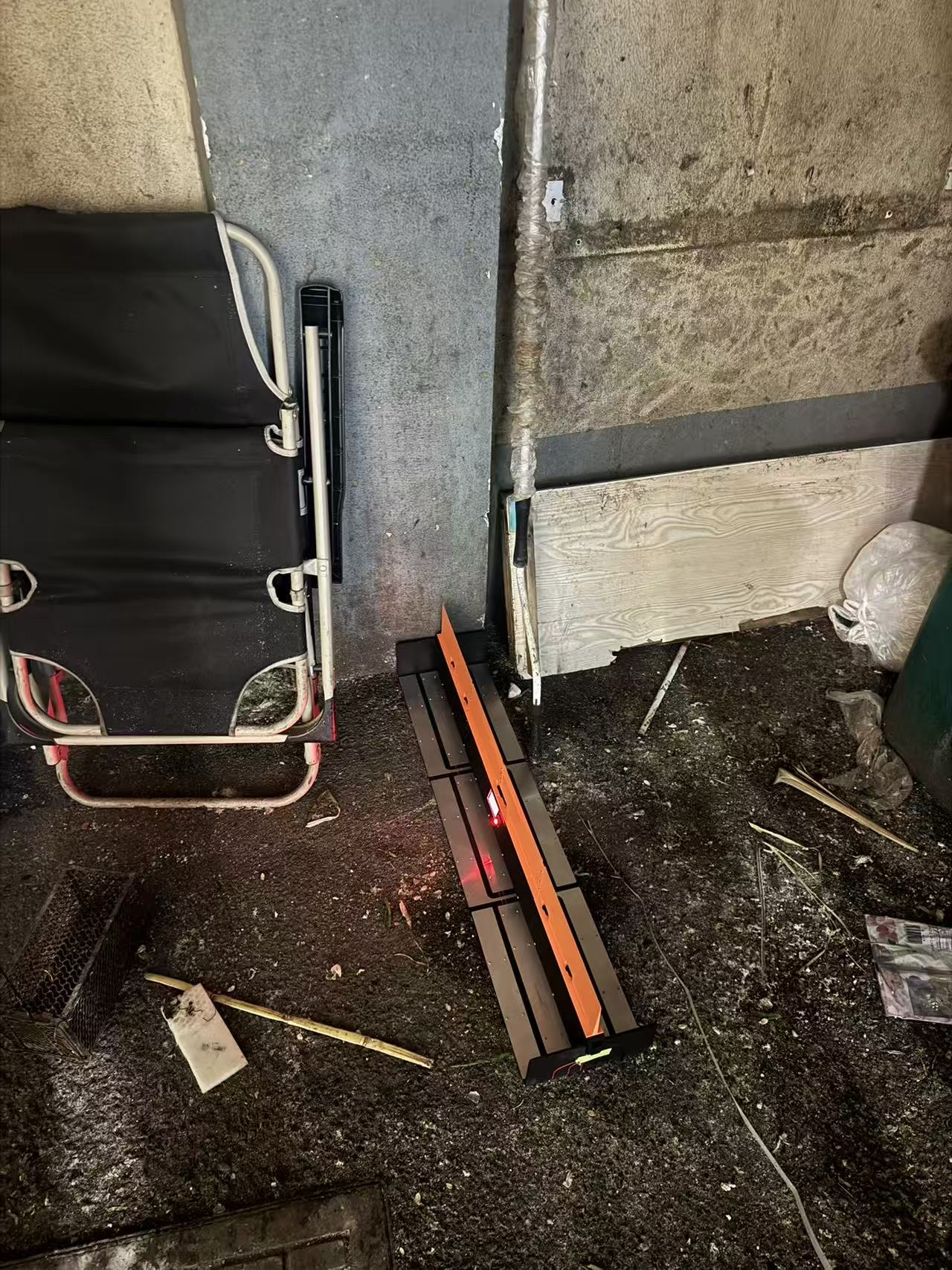
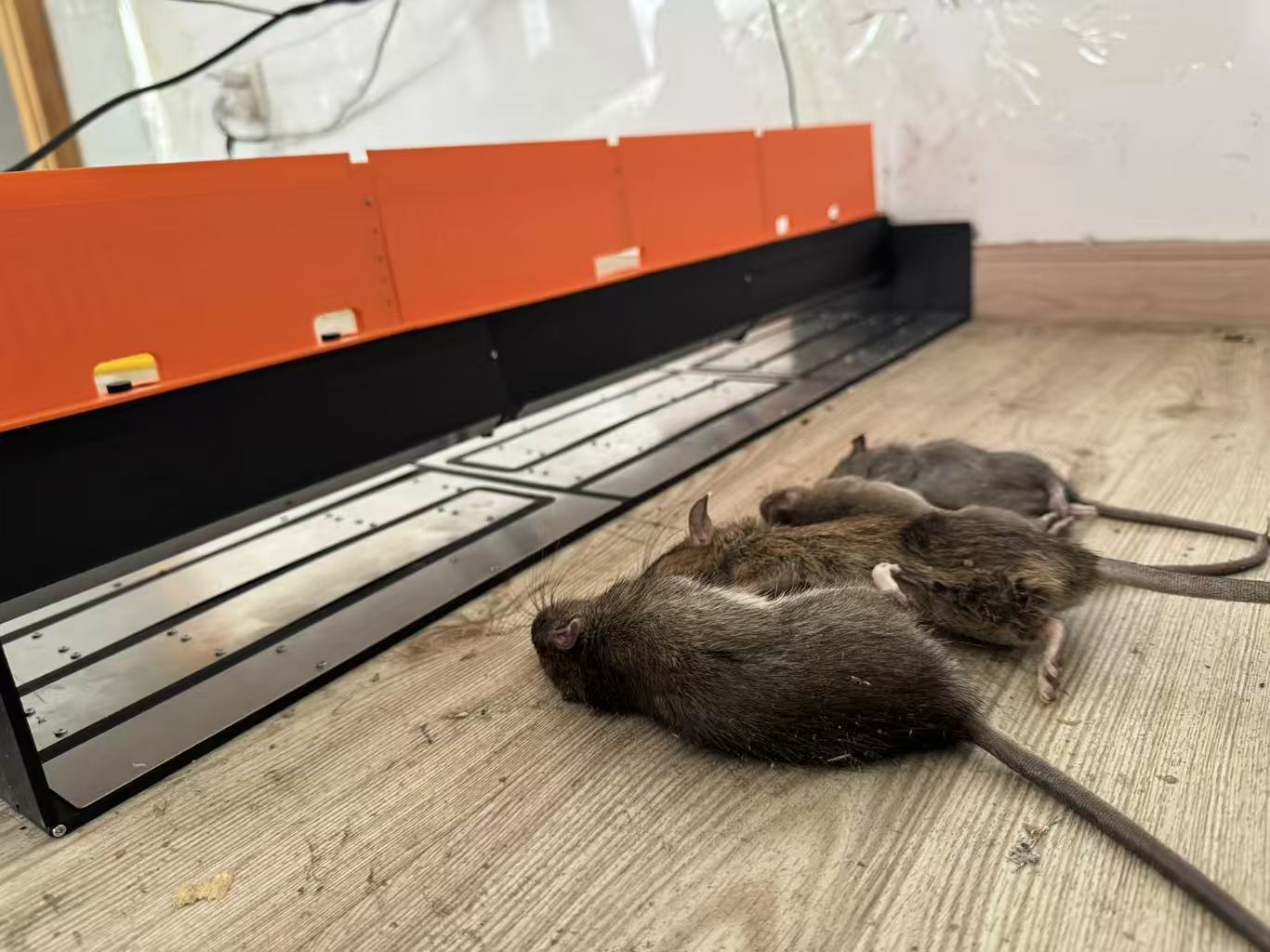
Testing the long-form B2B device.
B2B testing, and the market lesson that mattered
Validating the long-form device
That long device worked very well: extremely fast, instantly lethal to the rat, with safer human detection and notification built in so technicians no longer had to sit up all night. Around month five we built about fifteen of them and handed them to exterminators to test, and the results were good.
A good device does not mean the market buys it
Commercial kitchens are complicated, though — standing water, heavy grease, a huge number of corner cases to solve. It was also a new product, which means educating the market; and selling B2B domestically leans heavily on a company’s sales muscle, which is not especially friendly territory for young founders. Then we discovered something genuinely awkward about domestic pest control companies: if your device really is good enough to wipe out a lot of rats, they have to pay a high price for it and their own clients will start asking them to reduce site visits once the rats are gone. A better device actually cuts their revenue. In hindsight it is a strange incentive, but that is the market. The lesson worth keeping: understand deeply, before you build, how users actually reason about their own problems. A better device does not automatically mean the market buys it. User needs come first, always.
Pivoting to a consumer product
Moving B2B capability down into a consumer trap
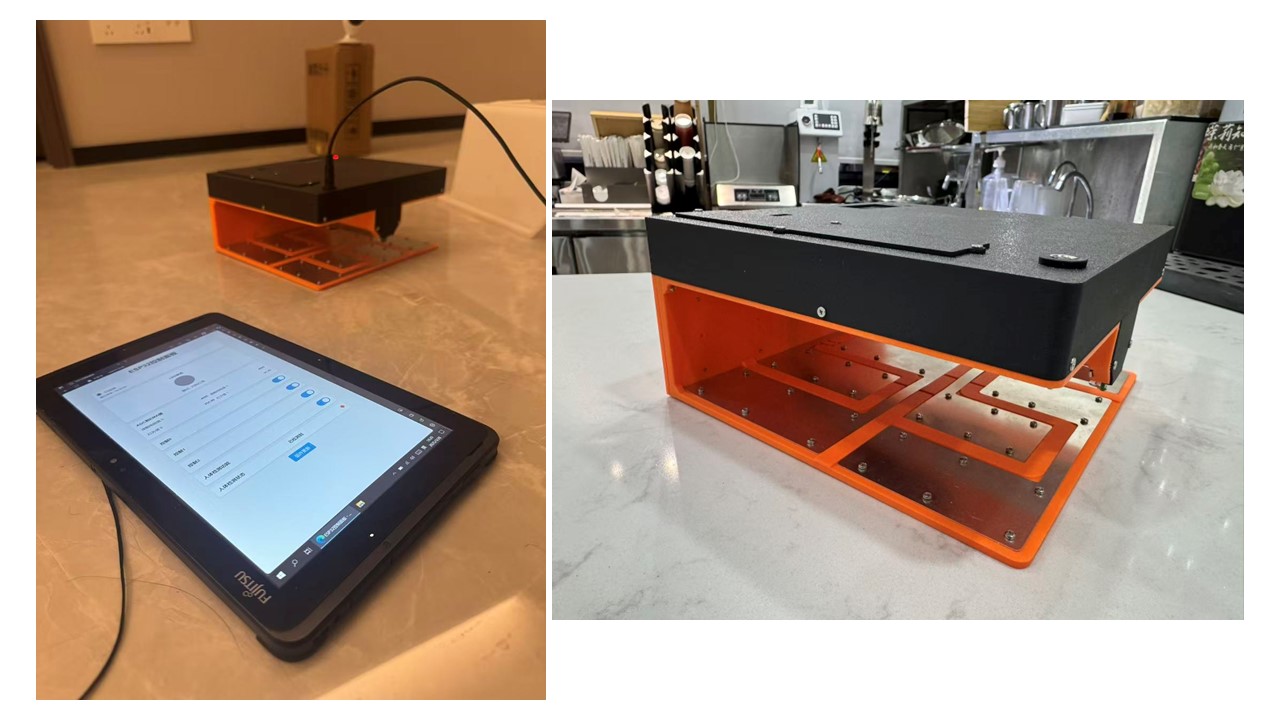
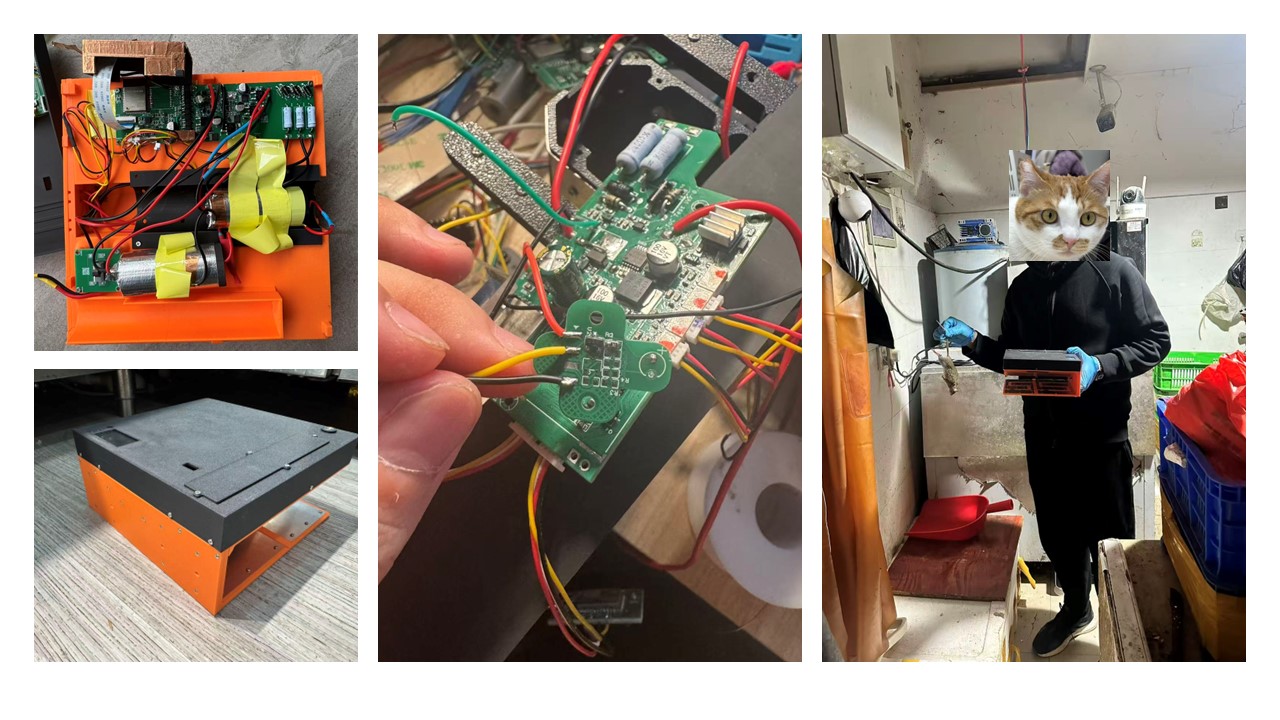
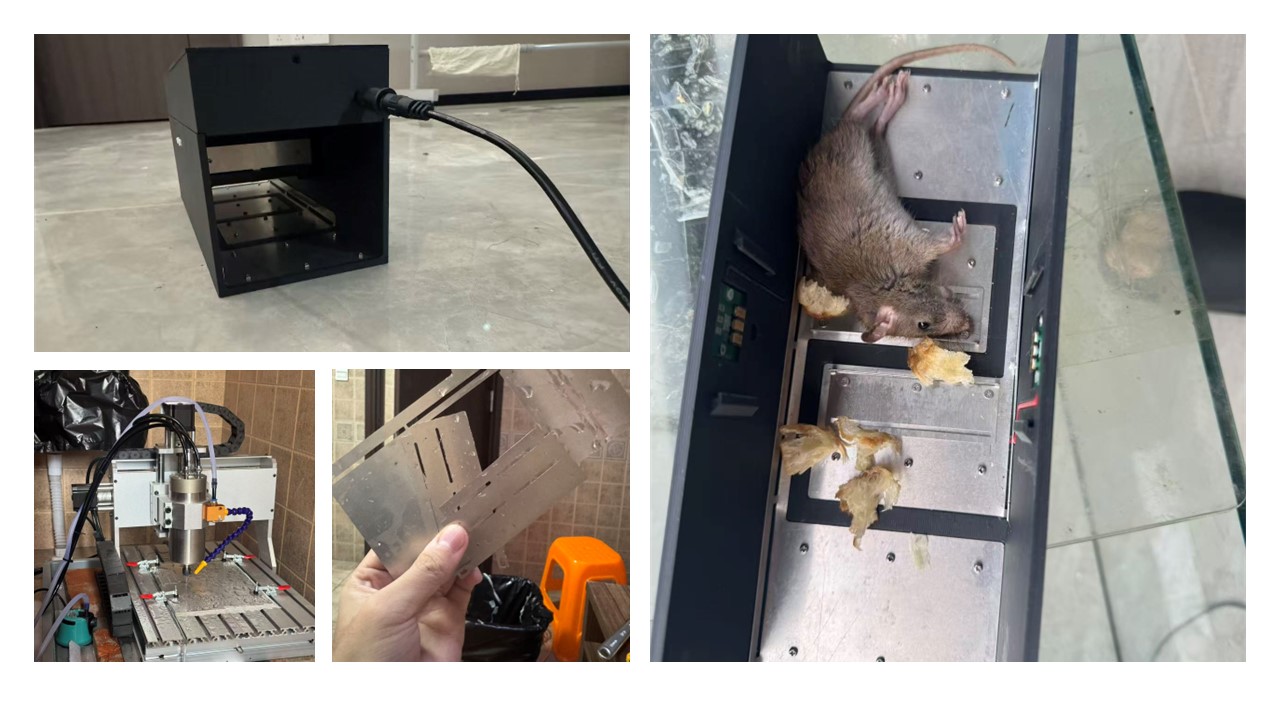
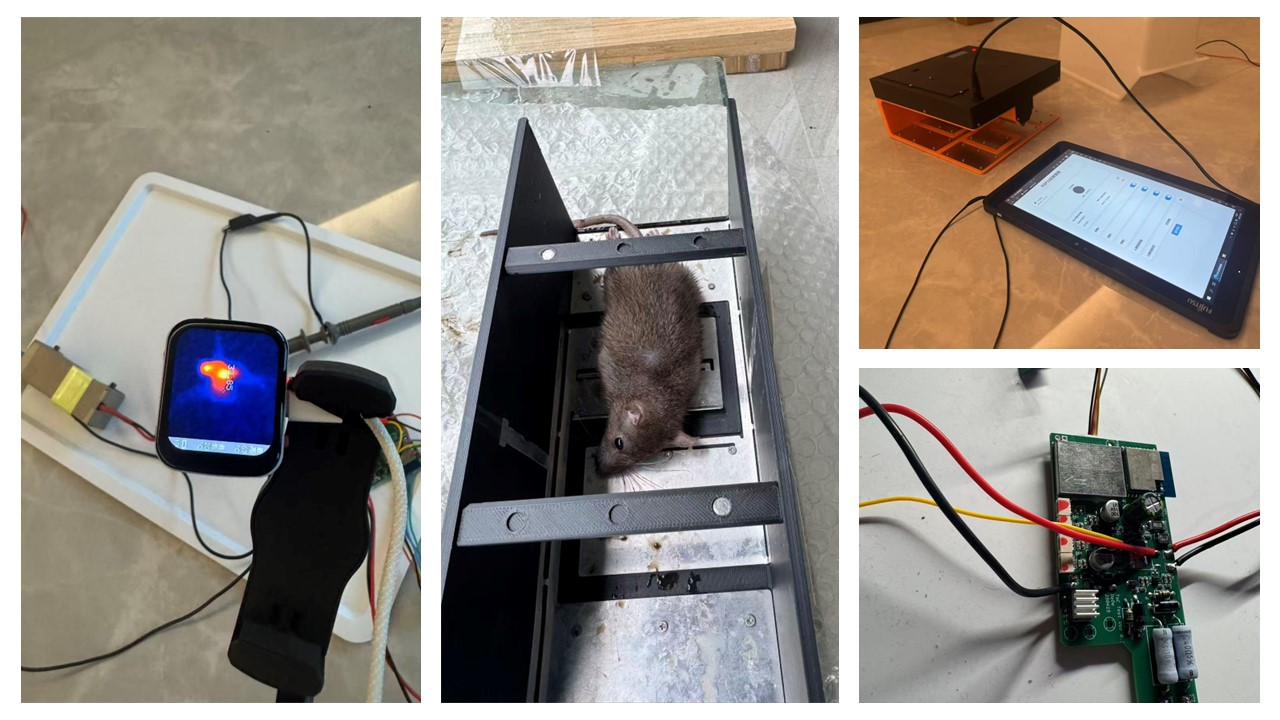
Once we understood that, we thought about it for a while and landed on the answer: most of the technology could move down into a consumer trap. Consumer users buy it and use it themselves, and what they need most is for it to work. We had already validated a very effective mechanism on the B2B side, so shrinking it from the long B2B form into something smaller for consumers was straightforward. We started building and testing versions immediately:
Prototype, ID, tooling, PCB — and growing the team
We finished the final prototype design around July 2025, then went back to Shenzhen to find an industrial design firm, talk to mould factories one by one, and find a PCB partner with real mass-production experience. That was also when we started talking to investors about raising, and the team grew from the original two people to five — part of it dedicated to driving production.
IoT architecture and the app
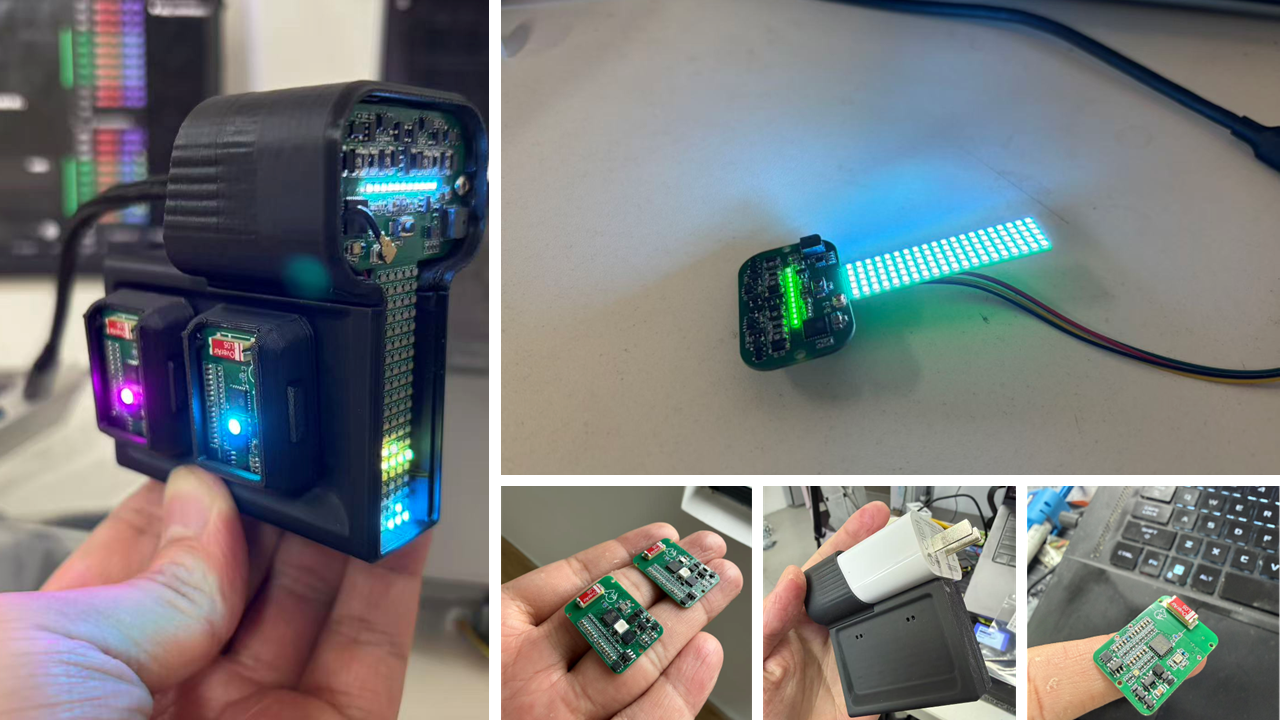
In parallel we had to design the IoT software architecture and the accompanying app. The final product ends up quite different from the early work above, in both function and design — but since it has not launched, that is a better conversation to have once it ships.
Continuing to explore the Pest Control line
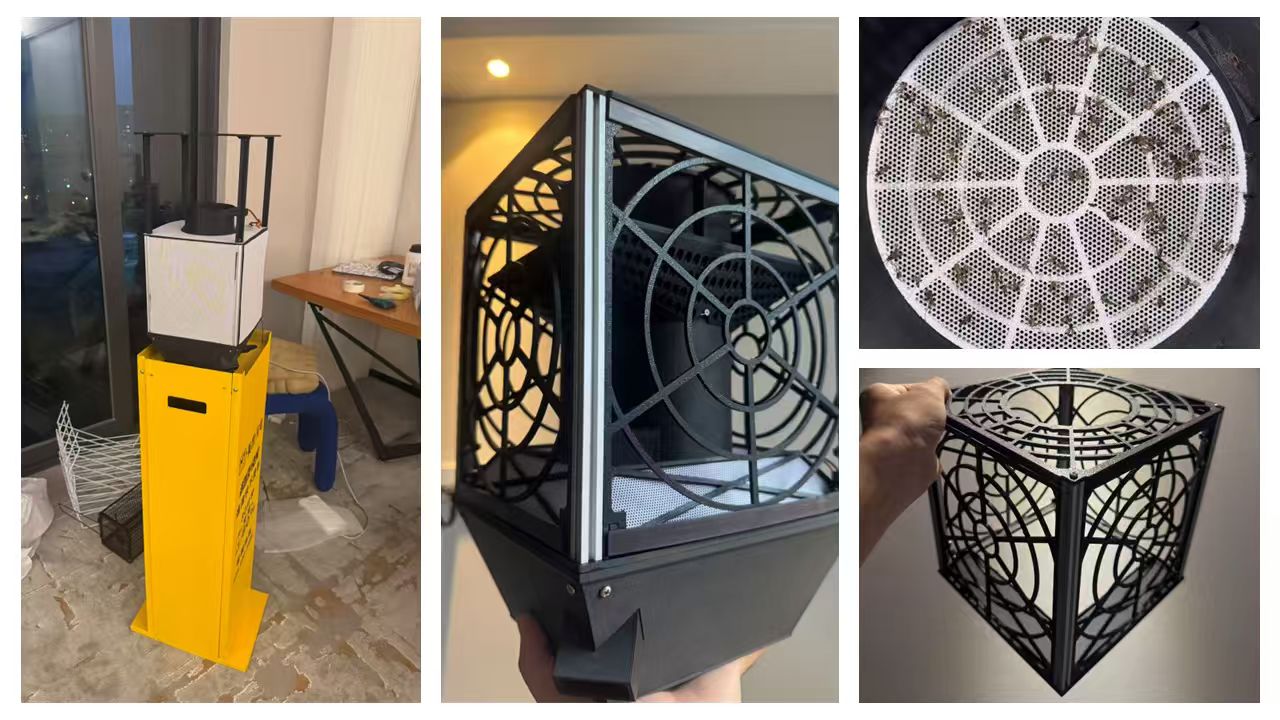
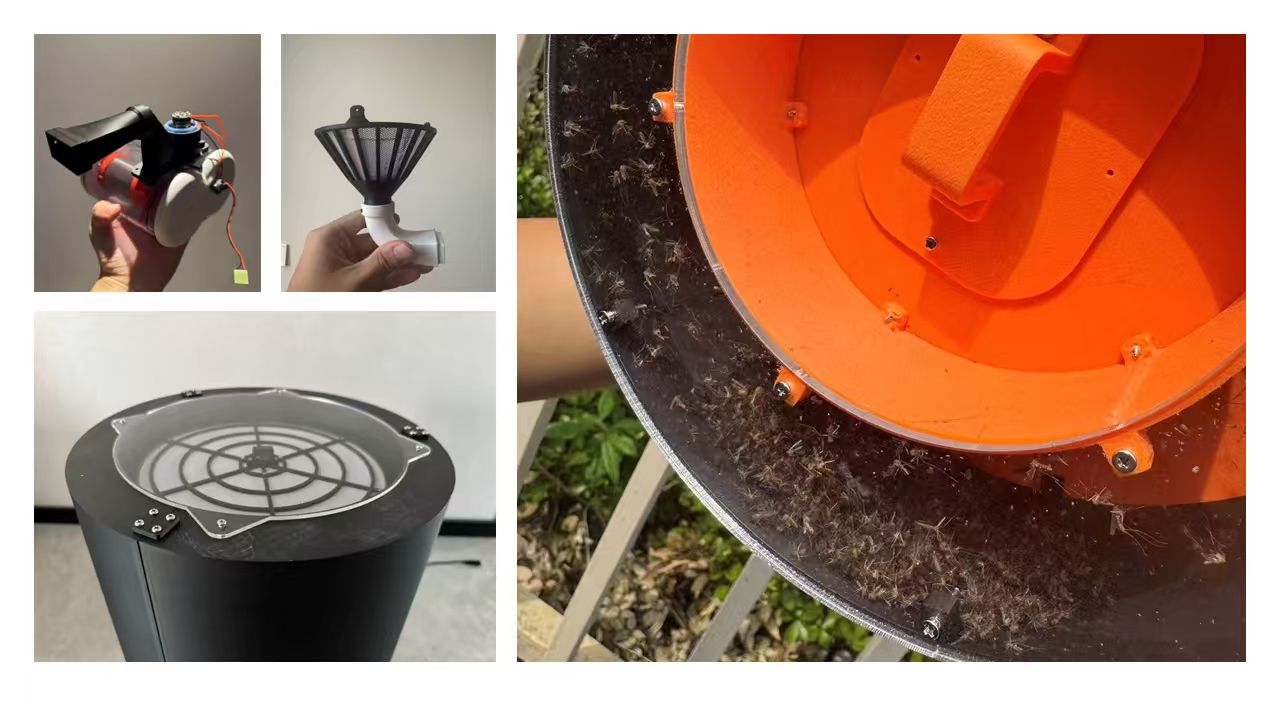
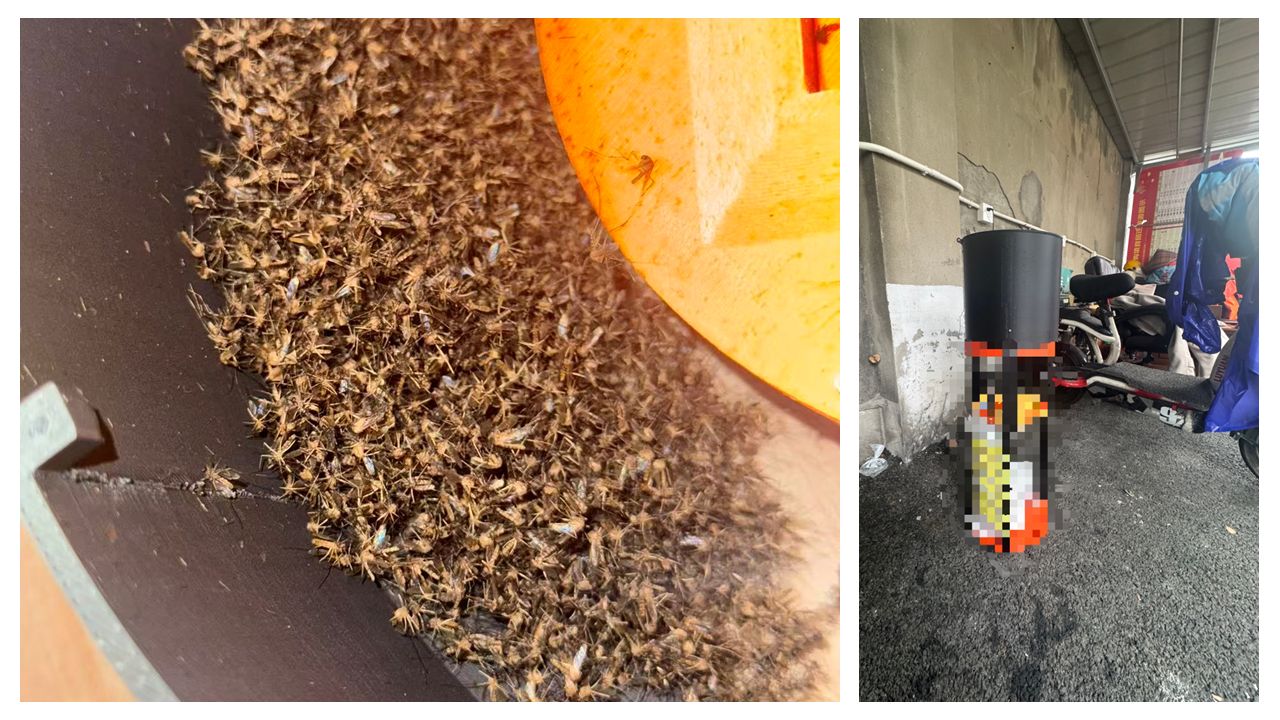
More rodent scenarios, and mosquitoes
While pushing the consumer trap toward production, we kept exploring the rest of Pest Control — covering more rodent scenarios and starting on mosquitoes. Below are some of the early prototype designs; several of them have since moved on to the next stage.